

https://shop.fervogear.com/cart

Common Racing Suit Sizing Mistakes and How to Avoid Them
Avoid common racing suit sizing mistakes with our practical guide. Learn how to measure correctly, choose the right fit, and stay comfortable on the track.

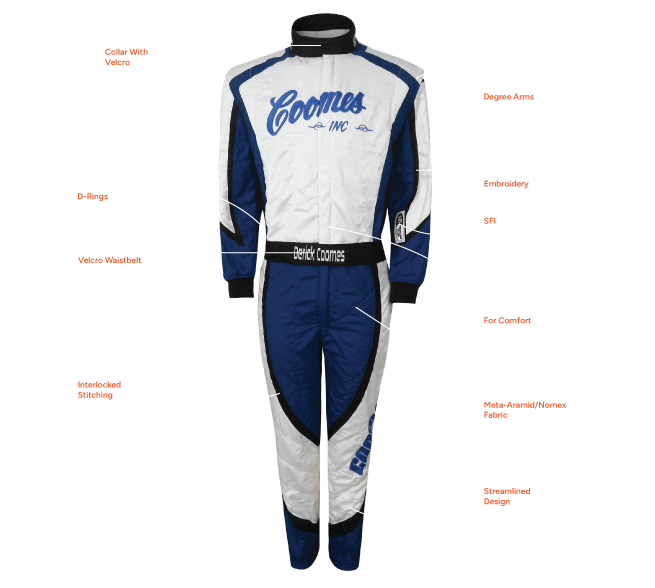
Choosing the correct racing suit size is essential for comfort, mobility, and potentially your safety on the track. Yet, many drivers and teams make sizing mistakes that can impact performance and experience. Understanding how to properly measure, interpret sizing charts, and consider your gear’s use can help you avoid those pitfalls.
Why Proper Racing Suit Sizing Matters
A racing suit must fit well to allow freedom of movement while providing a layer of protection. An ill-fitting suit can be restrictive or cause discomfort, both of which can distract a driver during a race. Proper sizing also ensures that the suit functions as intended with minimal risk of gaps or bulging.

Common Sizing Mistakes
1. Relying Solely on Numeric Size Labels
Many drivers focus only on the numeric size (e.g., Small, Medium, Large) without paying attention to body measurements. Sizes can vary between manufacturers, so always consult specific size charts. Don’t assume your streetwear size will translate directly.
2. Inaccurate or Outdated Measurements
Using old or incorrect measurements is a frequent cause of poor fit. Your body can change over time, especially if you engage in fitness routines or fluctuate weight. Measuring yourself carefully or seeking help is critical to obtaining accurate data.
3. Neglecting to Account for Layers
Drivers often forget to consider clothing worn underneath the suit, such as fire-resistant undergarments. This extra bulk can affect how the suit fits. Plan your sizing to accommodate appropriate base layers comfortably.
4. Overlooking Length and Sleeve Fit
It’s common to focus on chest size but neglect arm length or overall suit length. Short sleeves or pants can hinder movement or expose skin, while overly long limbs may bunch up and be distracting. Measure arm and leg lengths as carefully as chest and waist.
5. Assuming a Racing Suit Should Fit Like Everyday Clothing
A racing suit typically fits snugger than regular clothing but should never feel tight to the point of restricting circulation or breathing. Some drivers expect more room than needed or vice versa, leading to uncomfortable fits.
How to Avoid Racing Suit Sizing Mistakes
Step 1: Take Precise Body Measurements
- Use a flexible tape measure.
- Measure chest circumference at the widest point.
- Measure waist circumference at the narrowest point.
- Measure hips at the widest part.
- Measure arm length from shoulder to wrist.
- Measure inseam from crotch to ankle.
- Stand naturally and avoid bulky clothing during measuring.
Step 2: Consult Manufacturer Size Charts
Every racing suit manufacturer creates a size chart unique to their products. Always cross-reference your measurements with these charts rather than relying on general assumptions. If possible, contact customer service for clarification.
Step 3: Consider Your Undergarments and Intended Use
Factor in the thickness of fire-resistant base layers and any accessories you plan to wear under the suit. This can influence whether you size up slightly for comfort while remaining safe.
Step 4: Try the Suit Before Finalizing
If you can try on the suit or order from a retailer with a flexible return policy, do so. Walk, sit, and move as you would in your racing environment to assess comfort and mobility.
Step 5: Follow Sanctioning Body Guidelines
Different motorsport organizations may have specific rules about suit fit and certification. Always consult the latest rulebook to ensure compliance with sizing that does not compromise safety standards.
Checklist: Measuring Correctly for Your Racing Suit
- Use a mirror or an assistant for accurate tape positioning.
- Keep the tape snug but not tight.
- Record each measurement precisely.
- Double-check measurements after a short break.
- Note any unique body proportions for customization.
- Account for shrinkage if the suit material requires it.
Working with FervoGear for Your Racing Suit Fit
At FervoGear, we understand how critical fit and comfort are for racing drivers and teams. Our team offers guidance on selecting a racing suit that balances protection with mobility. While our focus here isn’t on customization options, paying attention to proper measurements and sizing upfront can save you time and hassle when choosing your gear.
Conclusion
Racing suit sizing mistakes are common but easily preventable with careful measurement, awareness of layers, and consultation with manufacturer sizing charts. A well-fitting suit empowers you to focus on performance and comfort on the track. When in doubt, seek professional advice and always verify compliance with your racing organization’s rules.