
https://shop.fervogear.com/cart

Racing Suit Glossary: Cuffs, Gussets, Belts, and Closures Explained
Learn the essential components of racing suits, including cuffs, gussets, belts, and closures, to make informed choices for comfort and functionality.


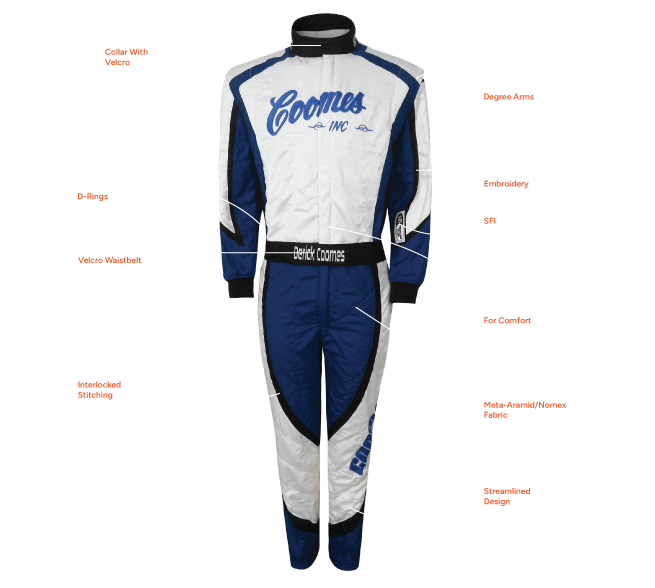
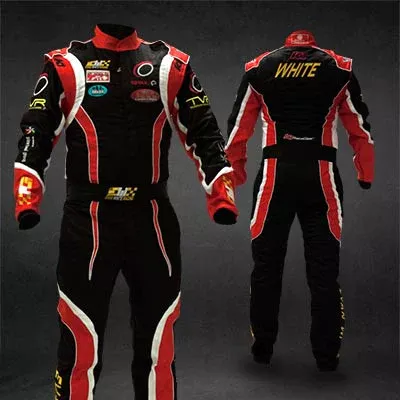
Racing suits are critical gear for drivers, providing protection, comfort, and mobility during intense track sessions. Understanding the common components of these suits can help drivers and teams choose the right apparel. In this article, we’ll explore four key elements often referenced in suit descriptions and custom orders: cuffs, gussets, belts, and closures. Each plays a specific role that affects the fit, comfort, and functionality of a racing suit.
Cuffs: Defining Fit and Function at the Sleeves and Ankles
The cuffs of a racing suit are the finished edges at the end of the sleeves and legs. They come in various styles designed to secure the suit properly around wrists and ankles, often serving both comfort and safety purposes.

Common Cuff Designs
- Elastic Cuffs: Elasticized cuffs snugly fit around wrists and ankles to prevent the suit from riding up during movement. This helps maintain coverage and can also reduce air flow beneath the suit that might cause distraction or exposure.
- Knitted Ribbed Cuffs: Similar to those on many athletic wear garments, these provide a close fit but with added stretch and comfort. Drivers often prefer ribbed cuffs for long sessions due to greater flexibility.
- Open Cuffs: Some suits have open-ended cuffs that allow for easier donning and doffing but may require additional gear like gloves or socks to ensure coverage.
Checklist for Choosing Suitable Cuffs
- Ensure cuffs securely hold the suit in place without restricting blood flow.
- Consider your comfort preferences for tightness and stretchability.
- Verify compatibility with gloves and racing shoes to avoid gaps.
- Check any sanctioning body rules related to cuff design or sleeve length.
Gussets: Enhancing Mobility and Durability
Gussets are additional pieces of fabric sewn into the suit, usually at high-movement areas like underarms, crotch, or knees. Their primary purpose is to increase mobility and reduce fabric stress in these critical zones.
Why Gussets Matter
Without gussets, seams in tight-fitting suits might pull or tear during intense maneuvers or long races. Gusseted areas stretch more comfortably, allowing drivers to move freely and maintain focus.
Types of Gussets
- Diamond Gussets: Shaped like a diamond or diamond-like panel inserted to widen movement arcs.
- Rectangular Gussets: Straight panels added to lengthen or broaden fabric areas.
- Extended Gussets: Larger or multi-panel inserts for extreme flexibility.
Considerations When Selecting Gussets
- Note the suit’s intended use: endurance drivers may prefer more gusseting for comfort.
- Check if the suit maker offers gusset placement options for custom fits.
- Inspect material compatibility to ensure fire-retardant standards remain intact.
Belts: Defining the Waist and Supporting Fit
Belts or waistband adjustments on racing suits are often incorporated to tighten or support the midsection. While belts are not universal on all racing suits, they contribute to a better fit and can reduce bulk.
Functions of Racing Suit Belts
- Improved Fit: A belt can cinch the waist, ensuring the suit follows the body shape more closely.
- Comfort: Adjustable belts can alleviate excess looseness or bagginess.
- Aesthetic: Belts can add a classic or technical look depending on style.
Types of Belt Systems
- Elastic Waistbands: Stretch to provide continuous tension without buckles.
- Velcro or Hook-and-Loop Straps: Easily adjustable for a custom fit.
- Buckle Belts: Traditional belts that may require manual buckle fastening.
Tips for Using Racing Suits with Belts
- Adjust belts snugly but avoid restricting breathing or comfort.
- Check belt material and fasteners for durability and fire resistance.
- Verify that belt placement does not interfere with safety harnesses or other equipment.
Closures: Securing Your Suit Efficiently
Closures are the mechanisms that allow racers to put on and take off their suits easily while keeping the suit securely fastened during competition. The choice of closure affects not only convenience but also safety and suit fit.
Types of Closures
- Zippers: The most common closure, zippers should be heavy-duty and often fire-blocked underlayer zips for safety.
- Velcro Strips: Used as secondary closures or for flaps covering zippers to prevent snagging.
- Snaps or Buttons: Less common in racing suits due to bulk, but occasionally used as secondary fasteners.
Best Practices for Closures
- Select zippers that extend sufficiently for easy entry and exit.
- Consider suits with protective flaps over zippers to reinforce fire resistance.
- Regularly inspect closures for wear or damage before every race.
- Confirm closure system compatibility with race regulations.
Final Thoughts
Understanding the terminology and functionality of cuffs, gussets, belts, and closures can empower drivers to make better choices when selecting racing suits. Each component contributes in unique ways to comfort, fit, mobility, and safety. If you’re considering a new suit or a custom build, discussing these options with a trusted supplier like FervoGear can ensure you find the best configuration for your specific needs.
Always remember to consult your particular sanctioning body’s current rulebook to ensure your suit meets all necessary safety standards and regulations before competition.