https://shop.fervogear.com/cart
How Team Colors and Sponsor Graphics Are Planned on Racing Suits
Discover how team colors and sponsor graphics are thoughtfully planned and designed on racing suits to balance visibility, branding, and driver comfort.


Racing suits serve not only as essential protective gear for drivers but also as mobile billboards showcasing team identity and sponsor support. The planning and design process for applying team colors and sponsor graphics on racing suits involves thoughtful consideration of visibility, branding, aesthetics, and regulations. Understanding how these elements come together can help teams and drivers make informed choices that boost their presence on and off the track.
Balancing Team Identity and Sponsor Visibility
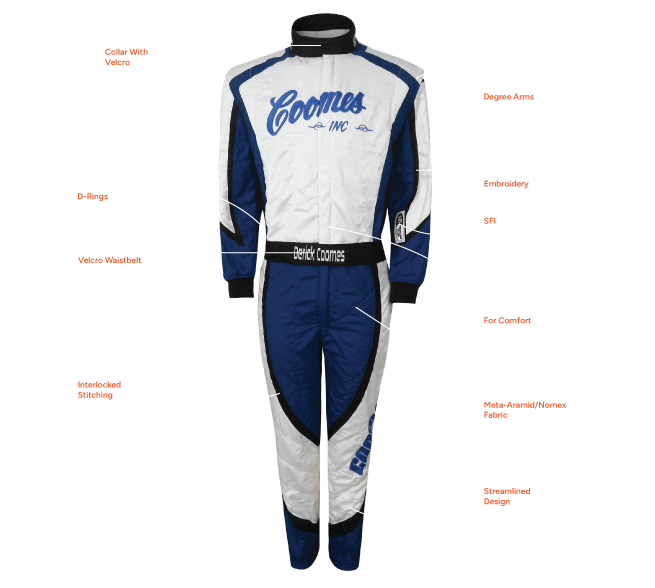
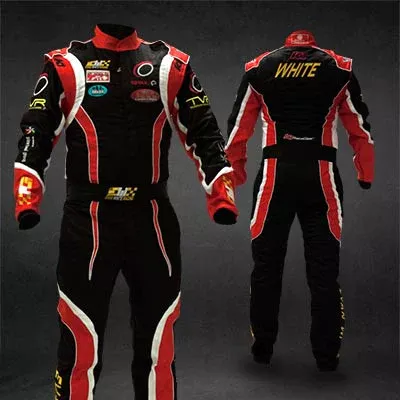
At the heart of planning colors and graphics on racing suits is the need to balance team identity with sponsor visibility. Teams typically choose signature colors that reflect their racing heritage, style, or branding, which often form the base palette for the suit design. Sponsors contribute their branding elements—logos, color schemes, and taglines—that must be integrated without overwhelming the suit’s visual harmony.
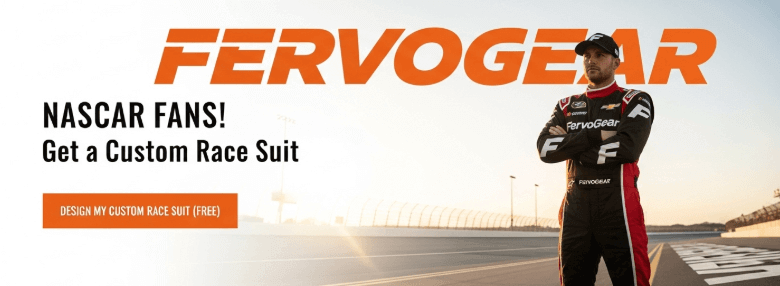
The goal is to ensure that sponsor logos are clear and easily recognizable from a distance or in broadcast media while maintaining an aesthetic that feels cohesive and professional.
Key considerations include:
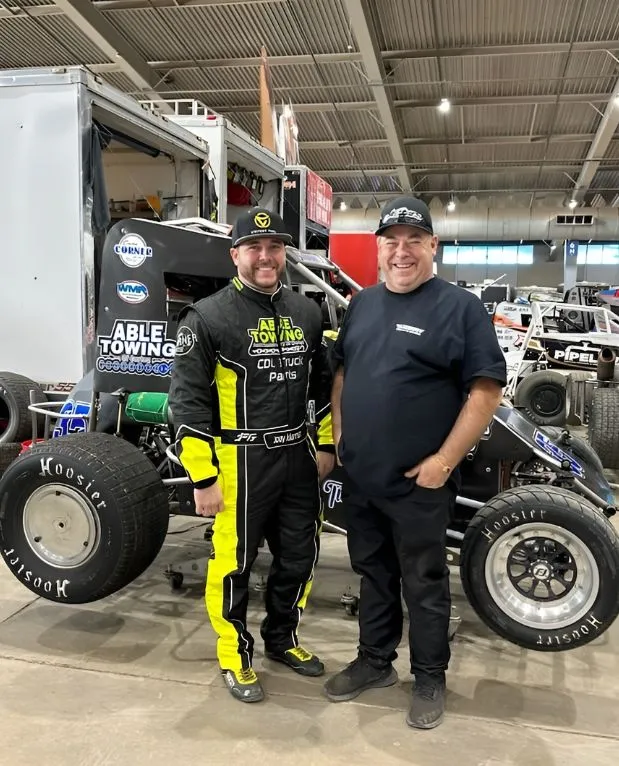
- Contrast and legibility: Logos must be placed on suit areas where they stand out against the background color, using contrasting tones to enhance visibility.
- Size and placement: Premium sponsors typically receive larger or more prominent logo placements, such as on the chest, shoulders, or back.
- Color coordination: Sponsor colors should complement, not clash with, the team colors, ensuring overall visual balance.
Design Workflow for Racing Suit Graphics
The design process generally begins with brainstorming and initial concepts, followed by digital mock-ups for review by team representatives, sponsors, and suit manufacturers like FervoGear. The steps often include:
1. Establishing Team Colors and Style
Teams confirm their primary and secondary colors, patterns, and any unique visual motifs. This stage sets the visual foundation and mood of the suit.
2. Mapping Sponsor Logo Placement
Using the team color base, designers overlay sponsor logos in strategic suit areas agreed upon contractually and by visibility priority.
3. Drafting Technical Suit Graphics
Graphic designers create scalable, high-resolution images that accommodate suit contours and stitching lines, ensuring designs are practical to implement on fabric.
4. Collaboration and Approval
Multiple rounds of feedback help fine-tune sizing, color adjustments, and placement before finalizing the artwork. Collaboration between teams, sponsors, and suit providers is critical here.
5. Production and Quality Check
Once finalized, designs are printed or embroidered onto suit materials according to manufacturing capabilities. High-quality execution preserves design intentions and durability.
Material and Technical Factors Impacting Graphics
Graphic design on suits must account for material properties and manufacturing techniques. Racing suits use fire-resistant fabrics that may affect color vibrancy and logo sharpness. Printers and embroiderers tailor their methods to suit fabrics to optimize durability and appearance.
Seam placement, zipper locations, and suit stretch points can influence where graphics apply best, preventing distortion over time and ensuring comfort and full driver mobility.
Regulatory and Safety Considerations
Racing suit graphics must comply with safety regulations and sanctioning body rules, which often address material certification and placement of decals to avoid interference with the suit’s fireproof integrity.
It’s important for teams and drivers to consult current rulebooks from their specific racing sanctioning bodies to ensure graphic plans meet all requirements.
Practical Checklist for Planning Racing Suit Colors and Graphics
- Identify primary and secondary team colors with brand consistency in mind
- List sponsors and determine logo priority and contractual placement rights
- Choose suit areas for logos that maximize visibility and contrast
- Coordinate colors to avoid clashing and maintain overall visual harmony
- Review manufacturer capabilities for printing and embroidery techniques
- Check regulatory compliance for suit graphics and material integrity
- Allow time for design iterations with all stakeholders before final production
Conclusion
The planning and implementation of team colors and sponsor graphics on racing suits is a nuanced process combining branding strategy, technical design, and regulatory compliance. For teams and drivers aiming to maximize their visual impact and honor sponsorship commitments, following a thoughtful, collaborative approach is essential. Providers like FervoGear can support this process with expertise in garment manufacturing and graphic application, helping create racing suits that stand out both on the track and in media coverage.