

https://shop.fervogear.com/cart


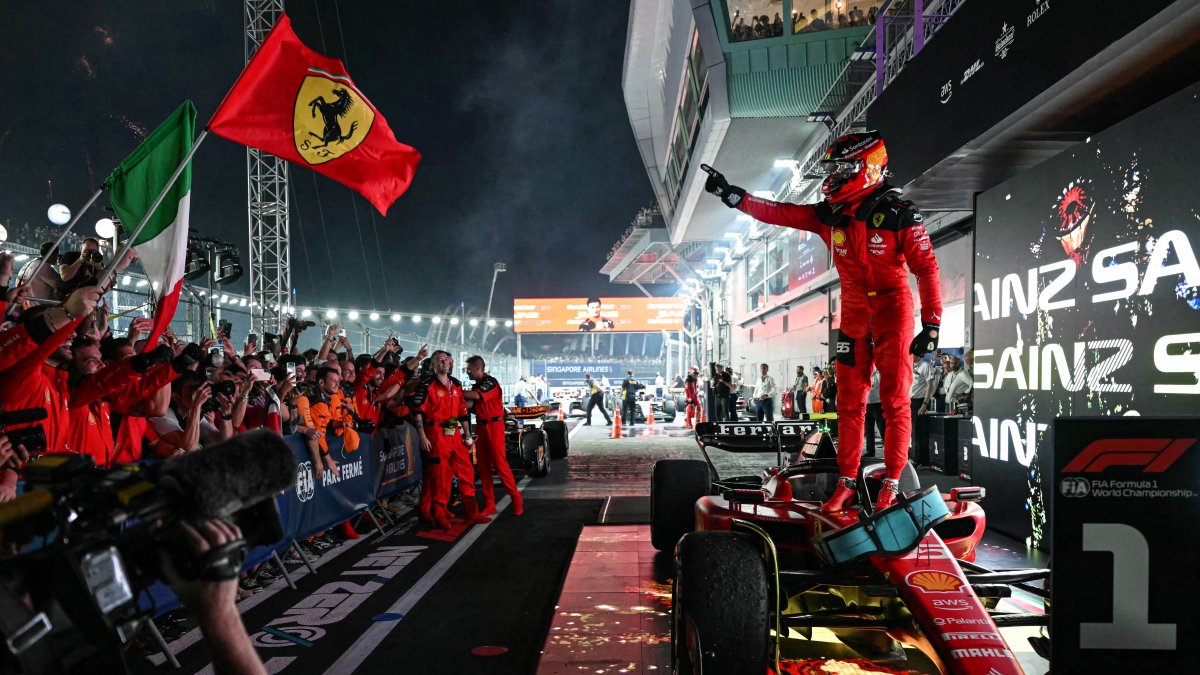
How Max Verstappen and Ferrari Seized the Unexpected Twist in Singapore

Highlights
- Verstappen used balanced car setup over high downforce at Singapore.
- Ferrari chose high-downforce layout, avoiding extreme rear wing parts.
- Teams prioritized aerodynamic efficiency and energy management for race.
- Mercedes drivers showed contrasting setups with varying balance results.
- New strategies reflect adapting to latest car rules and track conditions.
Max Verstappen and Ferrari upend Marina Bay convention in Sprint Qualifying, prioritising balance and efficiency over maximum downforce at the Singapore Grand Prix.
Their choices suit the street circuit’s traction demands and energy constraints, and immediately validate an approach long overshadowed by high-downforce orthodoxy.

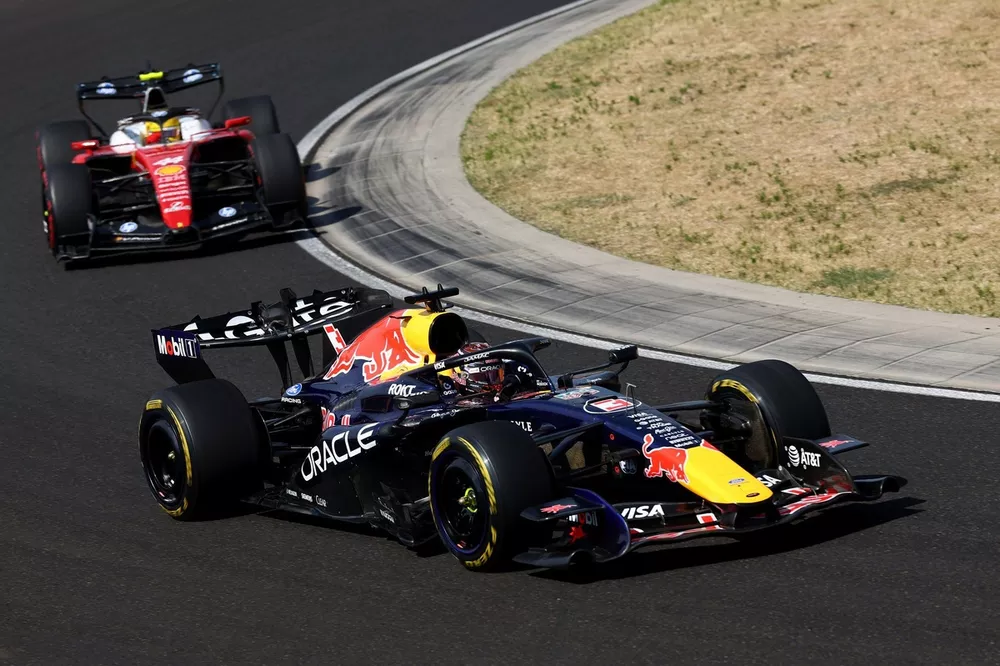
Technical analyst Paolo Filisetti highlights how recent upgrades enable Verstappen to run a balanced package, tightening corner entry while stabilising the rear without resorting to Red Bull’s largest wings.
That trim reduces drag yet preserves usable load, delivering rotation in slower sequences and predictable traction on exits that define lap time at Marina Bay.
Ferrari mirror the philosophy, with the team avoiding extreme rear-wing options while Ferrari lean on Malaysia-introduced floor and diffuser performance to protect straight-line speed.
Ferrari’s Malaysia-spec floor and diffuser supply enough load to trim rear-wing drag without sacrificing stability.
Simulations suggest the package generates sufficient load, allowing a higher-downforce baseline without excess, which matches how ERS deployment and tyre slip shape current Singapore lap-time sensitivity.
Reducing downforce can improve Marina Bay lap time by boosting straight-line speed and energy efficiency.
Mercedes provide the counterpoint. Kimi Antonelli persists with the loaded Malaysia set-up and reports understeer born of a heavy rear, leaving the car imbalanced through change-of-direction.
George Russell rolls back to a less aggressive aero configuration, trims drag, and improves balance, prioritising braking stability and deployment for the long straights linking the tight complexes.
That contrast underscores Singapore’s trade-off: reliable rotation and energy recovery effectiveness often beat absolute peak downforce on a lap skewed toward traction zones and short bursts.
Russell’s lower-drag configuration delivered a more neutral balance than Antonelli’s loaded specification.
The strategic reset also reflects the latest ground‑effect regulations, where efficiency pays twice: less drag aids top speed, and cleaner balance curbs tyre temperatures over longer Sprint and race mileage.
That foundation matters for Sunday. Verstappen’s pace and execution in qualifying, explored in Verstappen’s Singapore pole analysis, underline how small aero trims now deliver outsized competitive gains.
As the weekend develops, expect attention on energy use and balance rather than wing size debates, with any timing drama only a sideshow to evolving set-up optimisation.
Visual Summary
Balance is everything. Singapore rewards precision over tradition.
Daring strategies shake up Singapore’s Sprint Qualifying
🎯
Verstappen
Balanced setup
Verstappen
Balanced setup
💨
Ferrari
Streamlined aero
Ferrari
Streamlined aero
☯️
Mercedes
Mixed approaches
Mercedes
Mixed approaches
Modern F1 isn’t about max downforce.
Intelligent energy management and aerodynamic balance now define who conquers Marina Bay’s night challenge.
Intelligent energy management and aerodynamic balance now define who conquers Marina Bay’s night challenge.
🔋
⏱️
Next:
Who will keep their balance when the lights go out in Singapore?

Daniel Miller reports on Formula 1 Grand Prix weekends with race-day analysis, team-radio highlights, and point-standings updates. He explains power-unit upgrades, aerodynamic developments, and driver rivalries in straightforward, SEO-friendly language for a global F1 audience.




