
https://shop.fervogear.com/cart


Christian Horner Reveals How Building Red Bull’s F1 Engine Was Scary

Highlights
- Christian Horner called Red Bull’s new F1 engine “scary as hell”.
- Engine developed with Ford, debuted competitively in 2026 season.
- Max Verstappen won first races with new engine in Sepang, Singapore.
- Horner departed in 2025, replaced by Laurent Mekies at Red Bull.
- Engine success achieved on 16th outing amid complex F1 regulations.
- Red Bull trails McLaren by seven points in 2026 constructors’ race.
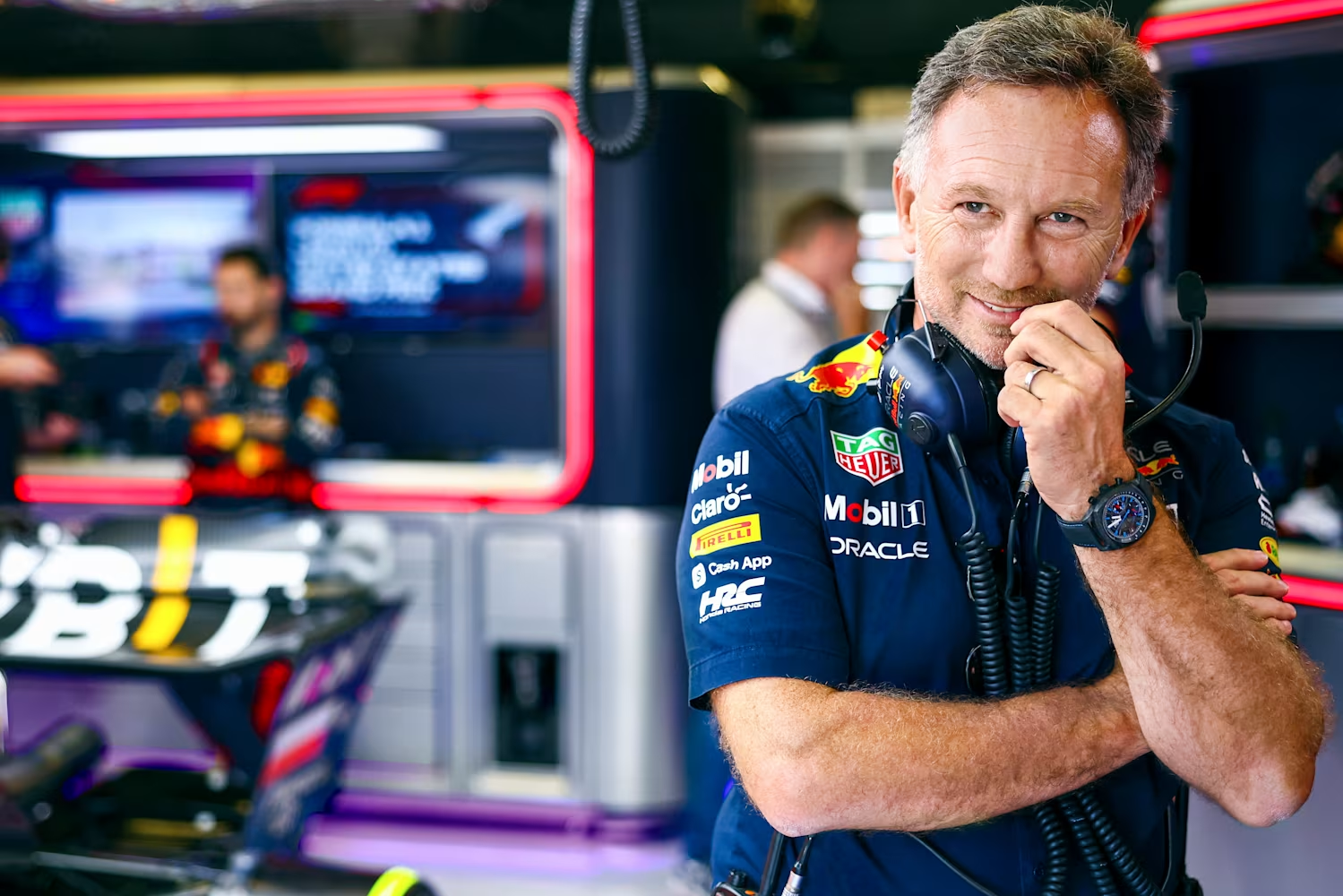
Christian Horner frames Red Bull’s first in-house F1 power unit as scary as hell, a ground-up Ford collaboration that debuts in 2026 and promptly wins. It immediately reshapes the team’s post-Honda trajectory.
Horner exits in 2025, with Laurent Mekies stepping up from the sister team to maintain direction. The Ford-backed unit earns early FIA notice and quickly looks competitive.

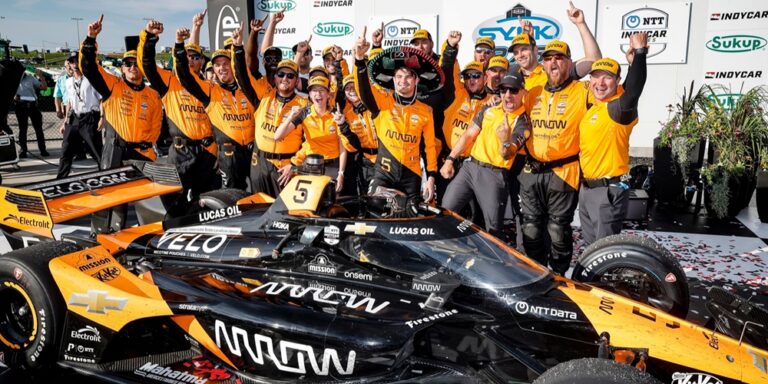
Max Verstappen delivers the first two victories, at Sepang and Singapore. That breakthrough arrives on the engine’s 16th race outing, underscoring fast-cycle learning and validation of the concept.
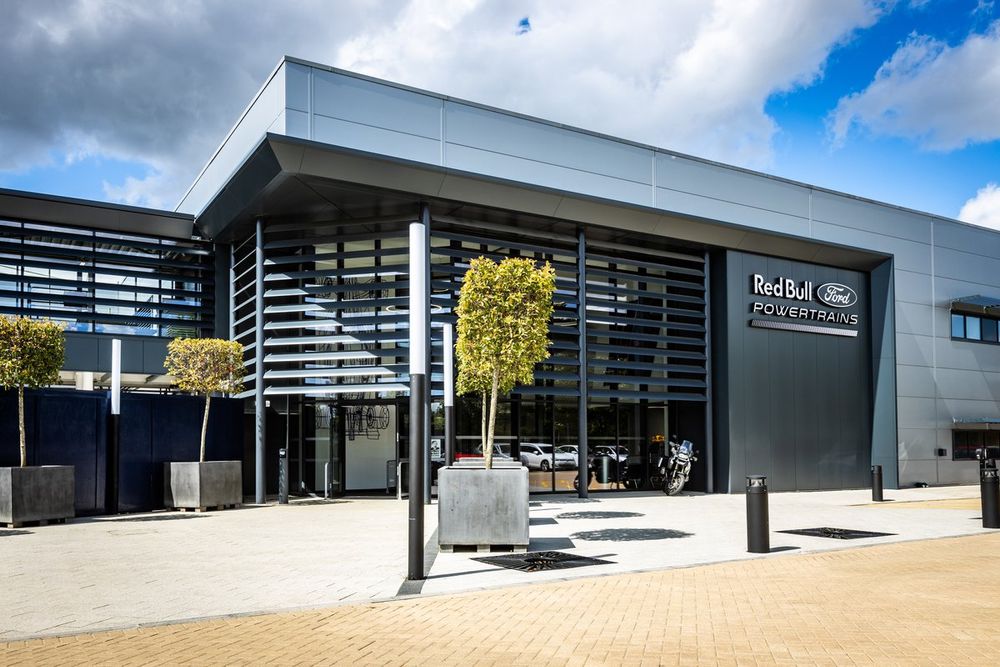
Red Bull starts from zero infrastructure, then invests in core manufacturing capability. The group machines cylinders from solid billets and produces pistons in-house to accelerate iteration.
Building a power unit means solving reliability, packaging, and cooling alongside performance. Integration with the chassis and energy recovery systems dictates architecture and weight distribution.
Horner calls Red Bull’s first in-house F1 engine project “scary as hell.”
The 2026 regulations increase electrical dependence and efficiency demands, compressing development margins. Budget frameworks heighten trade-offs, making each upgrade pathway consequential for lap time.
Mekies inherits the programme and stabilises operations across Milton Keynes and Ford’s partners. The continuity preserves know-how gathered during intensive dyno and track validation.
Competitively, Red Bull sits seven points behind McLaren in the constructors’ race. The engine’s baseline looks credible, but development rate will decide podium share.
The Ford-backed unit wins on its 16th race outing.
The early victories, captured by Verstappen, reflect rapid maturity of the package and operations. That momentum is detailed further in analysis of the engine’s first wins.
Red Bull trails McLaren by seven points in the 2026 constructors’ fight.
Horner contextualises the effort in his memoir, Drive, reflecting on career crossroads and rival overtures. Those include a Mercedes approach via Niki Lauda before Toto Wolff’s tenure.
Next steps focus on reliability consolidation, thermal efficiency gains, and deployment mapping. If the package sustains its trajectory, Red Bull can pressure established manufacturers through 2026.
Visual Summary
⚡
⚡
Red Bull’s “Scary as Hell” Engine: Built from Nothing.
Wins on Debut.
Wins on Debut.
2024: Honda leaves F1
🔧
2025: Horner
leads ground-up build
leads ground-up build
🔄
2025: Horner Out,
Mekies In
Mekies In
🏁
2026: Verstappen WINS (Sepang & Singapore)
“
Building this engine was scary as hell – starting from nothing, no experience, and taking on the giants. To win on its 16th race? I’m incredibly proud of this team.
— Christian Horner
Red Bull Chase for 3rd Place (Constructors’)
Battling for 3rd: McLaren leads by 7 points

Daniel Miller reports on Formula 1 Grand Prix weekends with race-day analysis, team-radio highlights, and point-standings updates. He explains power-unit upgrades, aerodynamic developments, and driver rivalries in straightforward, SEO-friendly language for a global F1 audience.