
https://shop.fervogear.com/cart


F1 Scraps Controversial Rule Change After Just One Season

Highlights
- FIA reverses race distance change after one 2027 season.
- 2027 races shortened to 290 kilometres due to power unit updates.
- Race distances return to 305 kilometres in 2028.
- Power split shifts to 58/42 in 2027, 60/40 in 2028.
- Fuel flow and consumption increase with combustion engine’s larger role.
- Monaco GP remains at 260 kilometres despite other race changes.
The FIA confirms it will restore the standard 305-kilometre grand prix distance in 2028, reversing a one-season reduction set for 2027.
All 2027 races, except Monaco, run to 290 kilometres. The change aligns with the first year of new power unit usage profiles and associated fuel demands.

The rule reset shifts the power split from 53/47 in 2026 to 58/42 for 2027, then 60/40 in 2028. That progression increases combustion dependence and overall fuel burn.
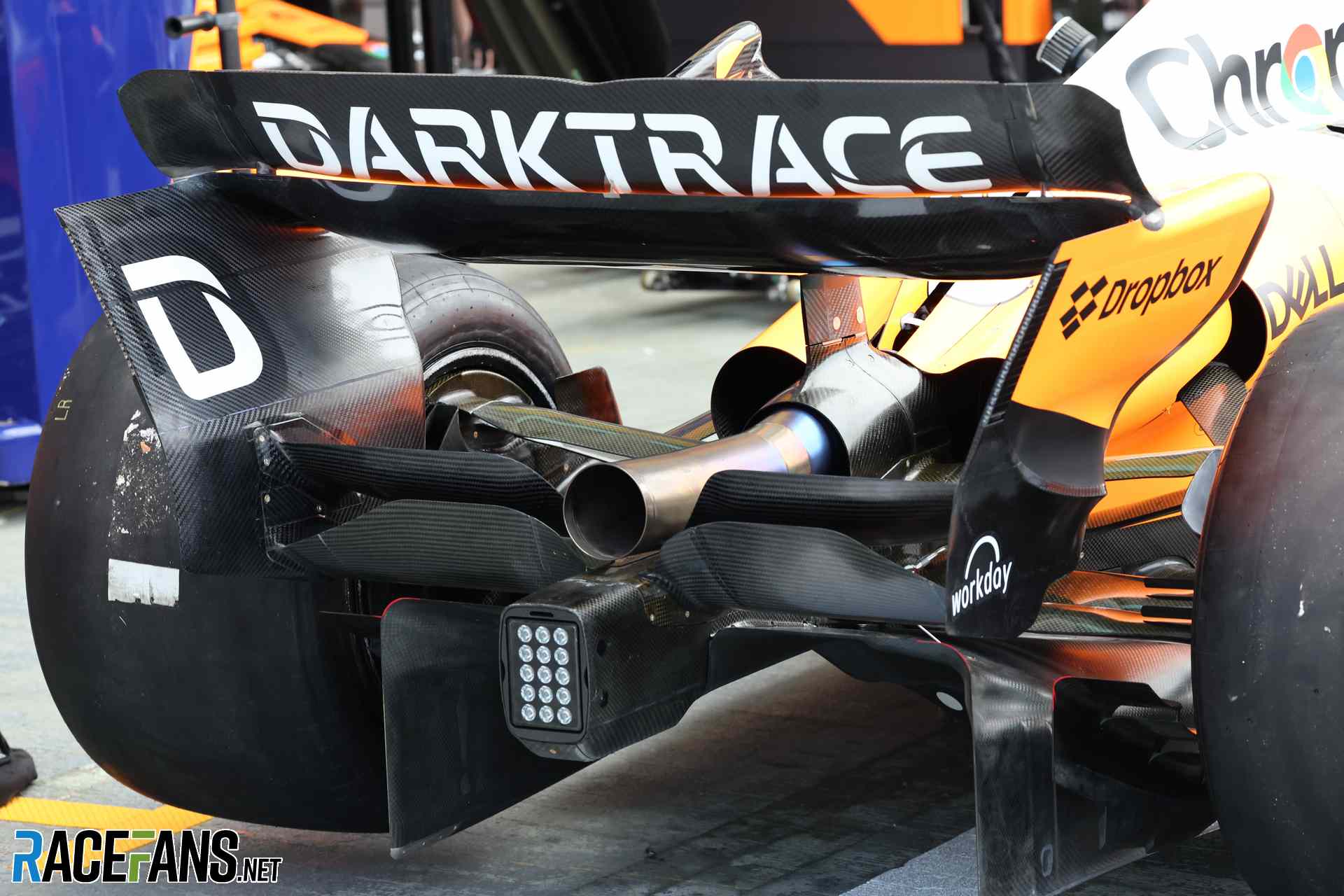
Fuel flow limits rise to match the higher ICE contribution. Teams therefore expect greater race consumption, stressing packaging and cooling around the fuel cell.
Larger tanks would typically require chassis and safety cell revisions under strict cost and weight targets, creating timing and budget pressure inside the cost cap.
The FIA confirms a one-year reduction to 290km in 2027 before restoring 305km in 2028.
The governing body opts for a temporary distance cut rather than forcing immediate structural redesigns. That gives teams a season to validate packaging for 2028.
On-track, 2027 strategy likely skews to higher fuel usage, careful energy deployment, and tyre management tuned to a shorter total distance.
Monaco remains at 260 kilometres, as per tradition. For 2028, the rulebook mandates a full return to 305 kilometres across the calendar.
Monaco stays at 260km in 2027 while all other events drop to 290km for one season.
The decision aims to balance innovation with manageable costs, echoing recent governance debates around Mercedes F1 rules and the calibration of regulatory risk.
Teams now model tank volume, layout, and cooling trade-offs for 2028 specification cars. The regulations leave solutions open, inviting divergent approaches.
The 58/42 power split in 2027 rises to 60/40 in 2028, increasing fuel flow and consumption.
Political friction remains possible, as seen when Williams had a rule change blocked. Consensus on timing and cost often proves as decisive as performance.
Driver and team feedback continues to shape adaptation, including insights like Kimi Antonelli’s Mercedes F1 perspective on how operational detail meets regulation.
From 2027 to 2028, the competitive picture turns on who manages packaging, weight, and thermal efficiency cleanly while protecting tyre life over longer stints.
Visual Summary
2027: SHORTENED
2026
53%
47%
ICE / Electric
2027
58%
42%
ICE / Electric
2028
60%
40%
ICE / Electric
🏁
2027: Shorter races → Back to full distance in 2028!
2027: Shorter races → Back to full distance in 2028!
🇲🇨 Monaco always 260km
⛽ Teams: Prepare for bigger fuel tanks & new cars!
F1 will shorten races ONLY in 2027 (from 305km to 290km) to help teams adapt to new engine rules and higher fuel needs.
In 2028, classic race lengths return.
In 2028, classic race lengths return.

Daniel Miller reports on Formula 1 Grand Prix weekends with race-day analysis, team-radio highlights, and point-standings updates. He explains power-unit upgrades, aerodynamic developments, and driver rivalries in straightforward, SEO-friendly language for a global F1 audience.