
https://shop.fervogear.com/cart

What Could Dramatically Shift the Race Outcome in Austin?

Highlights
- 2026 US Grand Prix held at Circuit of the Americas, Austin
- In-race betting includes lap leaders, pits, safety car, fastest laps
- Top drivers: Verstappen, Hamilton, Leclerc battle intensely on track
- Track’s 20 turns test driver skill, car setup, and tire wear
- Safety cars frequent, impacting strategy and live betting odds
- Texas’s usually dry November weather may reduce race unpredictability
The 2026 United States Grand Prix runs in early November at the Circuit of the Americas in Austin, a venue that rewards precision and punishes misjudgment for both teams and bettors.
COTA’s blend of long straights and high-speed esses forces downforce compromises. Teams chase stability through the first sector without surrendering efficiency on the back straight.
Live markets shape the weekend, notably lap leader, next pit, safety car, and fastest lap. These swing rapidly as tyre life varies and strategy windows open or collapse.
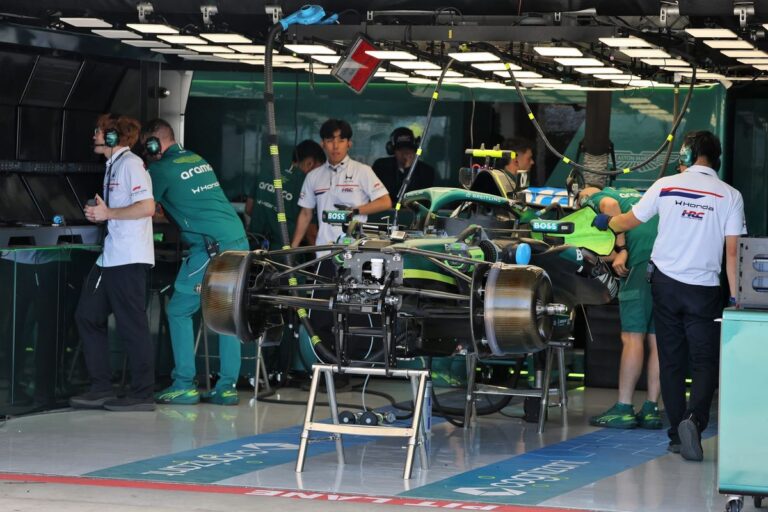
Abrasive asphalt increases degradation, especially on rear-limited stints. Undercuts bite when lap-time drop-off accelerates, but traffic and safety cars can invert otherwise optimal plans.
Texas weather usually stays dry, limiting rain-induced randomness. Temperature shifts still alter tyre behavior, influencing undercut potency and stint length across compounds.
Safety cars are frequent at COTA and often reshape pit strategy and live odds.
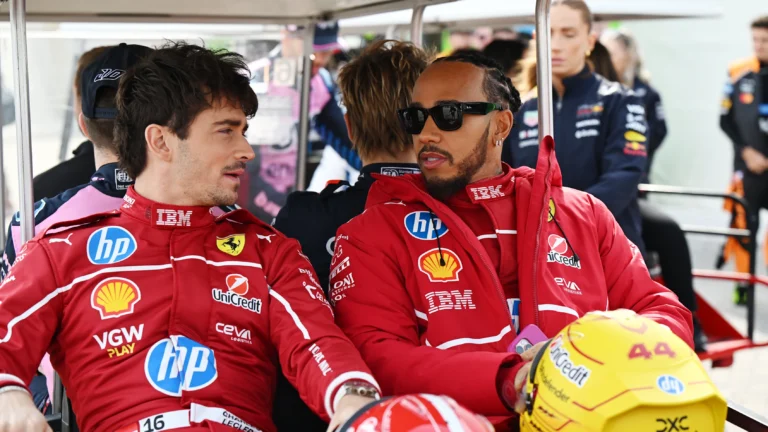
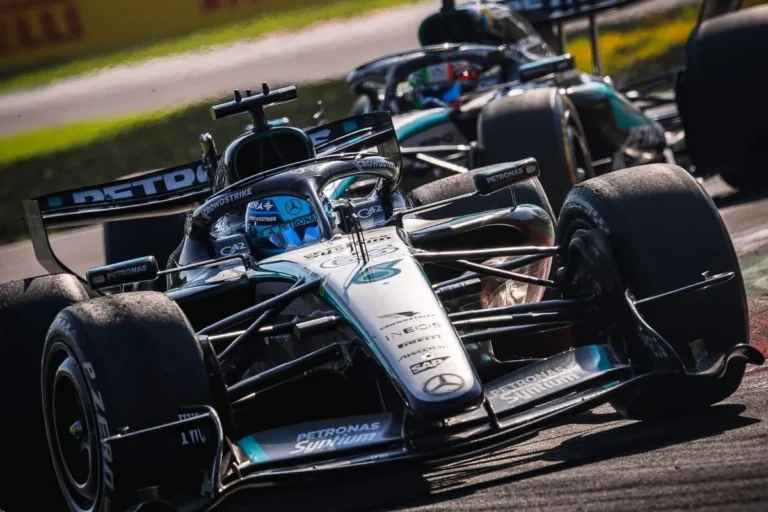
Max Verstappen, Lewis Hamilton, and Charles Leclerc headline the contest. Marginal gains in pit execution and out-lap performance likely separate Red Bull, Mercedes, and Ferrari. Recent build-up to the US GP highlights narrow performance spreads.
Turn 1’s uphill braking zone invites aggressive moves. First-lap compression frequently disturbs the order, moving markets before strategies properly mature.
Turn 1 remains the prime overtaking point, often deciding early track position.
Turn 11 governs back-straight speed; traction and rear stability dictate DRS effectiveness. Small errors here cascade through overtaking chances into Turn 12.
Neutralisations are common given the technical layout. Cheap pitstops under safety car compress gaps and upend planned stint lengths.
Undercuts are powerful at COTA when tyres fall off quickly, but traffic can erase the gain.
Sequencing through the esses rewards a balanced platform. Sliding compounds wear, raising surface temperatures and worsening degradation in a self-reinforcing loop.
For bettors, monitoring pit windows, lap-time deltas, and sector trends offers edges. Sudden switches to plan B under pressure reveal intent before television graphics catch up.
Friday running frames tyre choices and stint lengths, shaping race-day probabilities more than headline times. Insights from Friday practice typically refine pace expectations and undercut viability.
The event’s growth in the United States expands betting pools and attention. The region also expects a measurable impact, with an Austin economic boost tied to the race weekend.
Expect rapid odds movement as strategies pivot around safety cars and tyre wear. Attention to micro-trends can convert real-time information into decisive in-race positions.
Visual Summary
🔄
In-Race
Bets
In-Race
Bets
⚡
Lead Changes
& Surprises
Lead Changes
& Surprises
⏱️
Fastest Lap
& Pit Calls
Fastest Lap
& Pit Calls
➡️
TURN 1
TURN 1
First Lap Incidents
Chaos = Betting Shakeup
Chaos = Betting Shakeup
MV
LH
CL
Predictable
Twists Await
Twists Await
🛞
Tire Wear
Strategy x Degradation
Tire Wear
Strategy x Degradation
🚗
Pit Stop Timing
Game Changer
Pit Stop Timing
Game Changer
⚠️
Safety Cars
Expect Disruption
Safety Cars
Expect Disruption
🌡️
Weather Factor
Texas Sun or Surprise?
Weather Factor
Texas Sun or Surprise?
2026 US GP:
Every Lap
Can Flip the Odds
Every Lap
Can Flip the Odds
Stay sharp—watch, analyze, and pounce.
In this race, nothing is settled until the flag waves!
In this race, nothing is settled until the flag waves!

Zane Muniz writes across NASCAR, IndyCar, F1, IMSA, NHRA, and dirt-racing news. His breaking-news alerts and event previews ensure motorsport fans never miss a lap, drift, or drag-strip showdown.