
https://shop.fervogear.com/cart


Max Verstappen’s Austin GP Criticism Sparks Official COTA Reply

Highlights
- Max Verstappen criticized COTA’s bumpy track surface before US GP.
- COTA chairman Bobby Epstein acknowledged dip issue at Turn 1.
- Track resurfaced pre-2024 race but bumps persist for drivers.
- Epstein said dips need extensive work, unlike quickly fixable bumps.
- Other drivers support Verstappen’s concerns about safety and performance.
- Further maintenance planned, but some fixes require long-term solutions.
Max Verstappen escalates criticism of Circuit of the Americas’ surface ahead of the United States Grand Prix, prompting a swift response from COTA chairman Bobby Epstein about a significant Turn 1 dip.
The Red Bull driver calls the bumps “unacceptable,” arguing they compromise comfort, safety, and car performance. He compares the severity to World Endurance Championship circuits and says the trend worsens year on year.

Verstappen adds that repeated impacts risk longer-term physical strain. His stance aligns with ongoing concerns about driver well-being, as explored in Verstappen injury in F1.
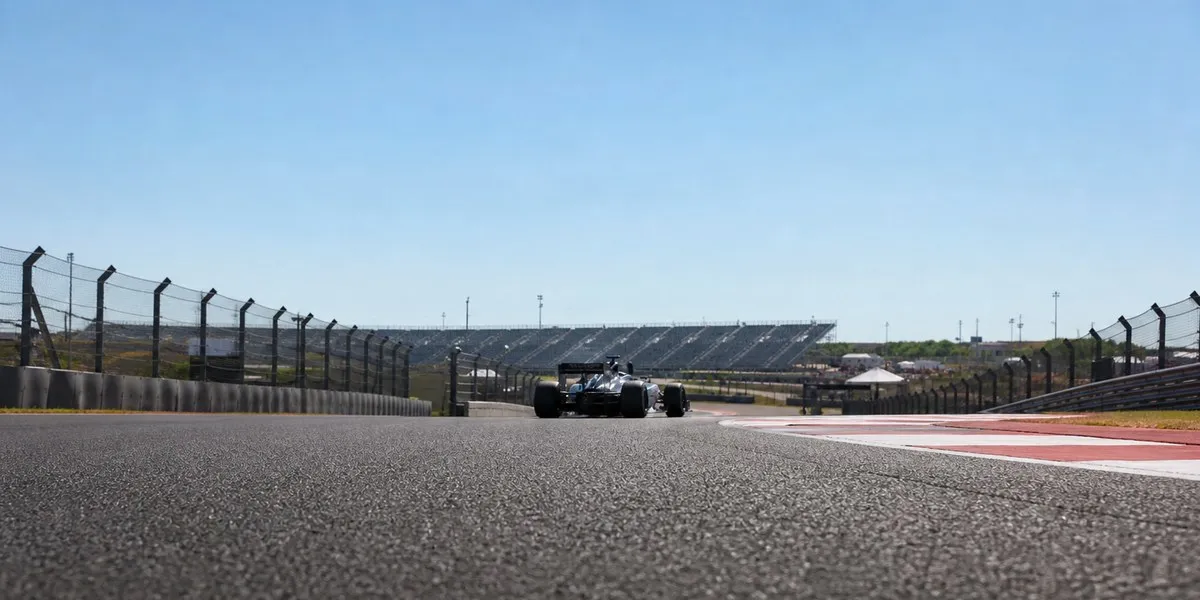
COTA’s surface history is complex. The track sits on shifting clay, which creates undulations as weather patterns change. Broad resurfacing precedes the 2024 race, yet issues persist in several zones.
Epstein acknowledges a problematic dip at the bottom of Turn 1 and says the circuit only identifies it recently. He stresses a dip demands deeper structural work than a standard bump.
“We didn’t know about it until this week. We would have fixed it,” says Bobby Epstein.
While bumps can be ground down between events, a dip typically requires excavation and subgrade repair. That scale of intervention is difficult within a live race week under FIA safety oversight.
Epstein adds that other areas receive attention, notably between Turns 9 and 11 and from Turns 12 to 19. Verstappen counters that grinding masks, rather than resolves, root causes in critical braking and traction zones.
Verstappen: Surface grinding only disguises the underlying problem without fixing it.
The competitive implications are immediate. Teams protect floors and manage ride heights and damping to keep the aero platform stable over peaks and compressions, often at a lap-time cost.
This influences how Red Bull balances ride to curb strikes and floor protection against pure downforce pursuit. The team’s approach in Austin is detailed in Red Bull’s focus at Austin.
Strategy also shifts. Bumps affect braking stability, tyre flat-spot risk, and traction. That shapes stint lengths, pressure windows, and out-lap aggression, as assessed in F1 COTA strategy.
Epstein reiterates COTA’s commitment to ongoing maintenance and driver feedback. He accepts that Turn 1’s dip likely needs longer-term civil engineering rather than quick, overnight planing.
Teams, meanwhile, prepare contingencies on setup and component life, mindful of reliability and plank wear. Verstappen’s camp also evaluates backup approaches, referenced in Verstappen US GP backup.
COTA resurfaced before 2024, yet drivers still report disruptive bumps across several sectors.
With a packed calendar and global visibility, both sides prioritise durable solutions. The immediate target is safe, predictable grip; the longer-term fix is structural stability through the full lap.
Visual Summary
🏎️
Verstappen vs. COTA’s Bumps: Safety Concerns Spark Action
Max Verstappen calls out the dangerous bumps—and a new Turn 1 “dip”—as COTA bosses promise lasting solutions.
7
Bumpy
Zones Fixed
Zones Fixed
1
Major Dip
at Turn 1
at Turn 1
20
Drivers
on Edge
on Edge
“We mentioned this already for years—it’s getting out of control.”
— Max Verstappen, on COTA bumps & new dip
🛠️ Track Boss says:
“We’ll fix the dip. Driver safety first.”
“We’ll fix the dip. Driver safety first.”
🔧
COTA
repairs ongoing
COTA
repairs ongoing
Daniel Miller reports on Formula 1 Grand Prix weekends with race-day analysis, team-radio highlights, and point-standings updates. He explains power-unit upgrades, aerodynamic developments, and driver rivalries in straightforward, SEO-friendly language for a global F1 audience.