

https://shop.fervogear.com/cart


Colton Herta Celebrates Austin Homecoming Amid 2027 Uncertainty

Highlights
- Colton Herta drove Cadillac’s F1 car at Circuit of the Americas
- Herta won his first IndyCar race in Austin in 2019
- He ranks 19th in Formula 2 with 26 points this season
- Herta completed 21 laps testing 2027 car aerodynamic setups
- He aims to secure FIA superlicence points to reach Formula 1
- Future racing plans remain uncertain pending Cadillac and team decisions
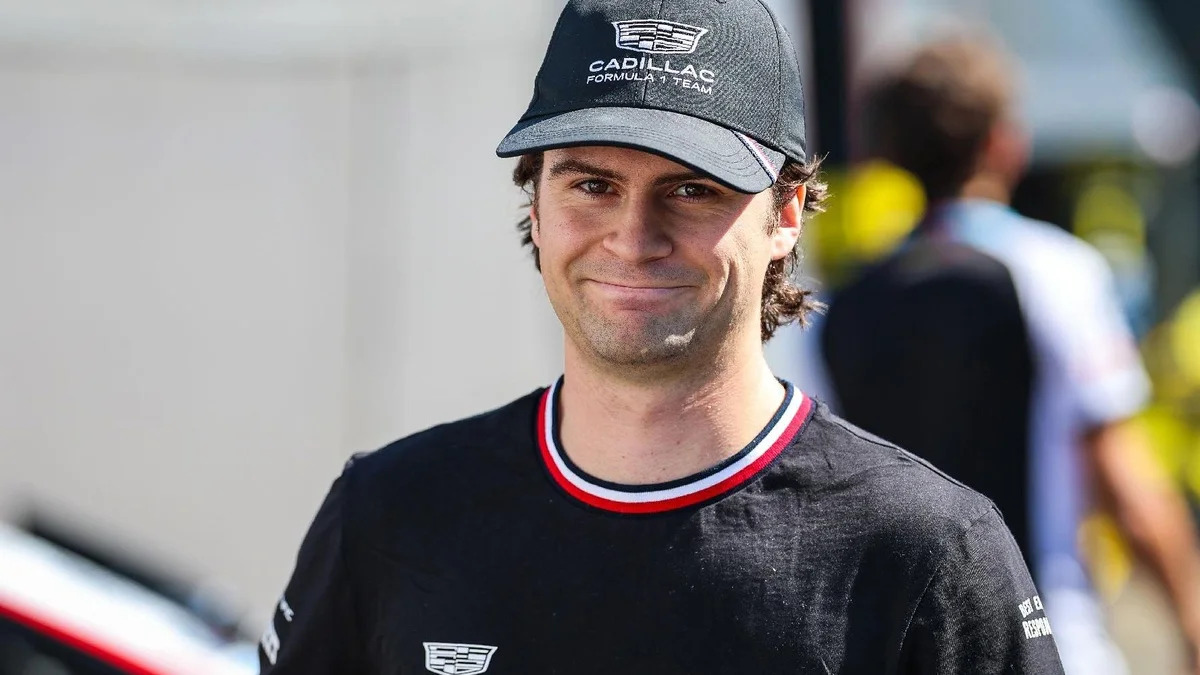
Colton Herta returns to Circuit of the Americas, turning Friday practice laps in Cadillac’s F1 car, a showcase as he pursues an F1 future after a bruising Formula 2 campaign.
The venue carries significance; he won here in 2019, aged 18 years and 359 days, becoming IndyCar’s youngest winner and launching a trajectory still shaping his career decisions.
Transitioning from IndyCar to F1 is demanding. Lines stay familiar, yet braking points, speeds, and responses change markedly. Low-speed behaviour offers reference points that ease the adaptation curve.
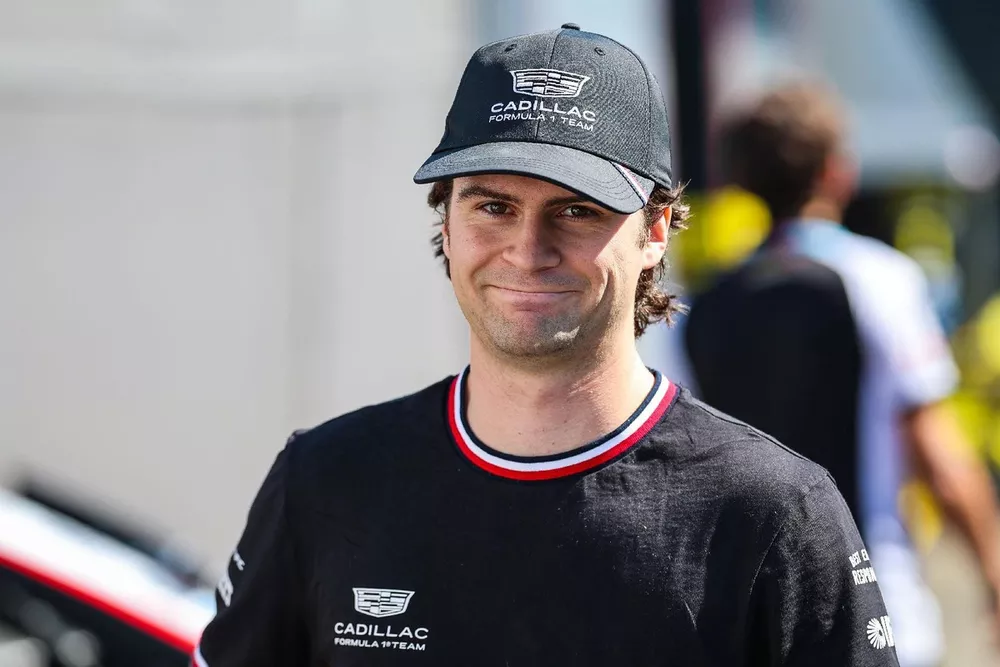
Herta completes 21 laps focused on aerodynamic exploration for the 2027 development path, finishing 21st and just under four seconds off the top, with Austin qualifying later framing the weekend.
The program prioritises correlation and procedures over outright pace, supplying data for future packages while exposing Herta to tyre conditioning, energy deployment, and F1 rhythms in a compressed FP1 window.
Herta completed 21 laps and placed 21st while prioritising 2027 aerodynamic testing.
His Formula 2 season with Hitech proves difficult; he sits 19th with 26 points and hasn’t scored since Belgium, tightening the superlicence points race into Qatar and Abu Dhabi.
He targets the 40-point threshold and hopes another practice slot can bridge the gap, after prolonged uncertainty since Red Bull’s AlphaTauri interest surfaced in 2022.
He ranks 19th in Formula 2 with 26 points, seeking crucial superlicence points in the final rounds.
Cadillac’s 2027 driver picture remains unresolved. Valtteri Bottas is yet to be confirmed alongside Sergio Perez, keeping Herta’s options open across full-time or part-time racing programs.
He resists a pure reserve role, stressing the need to keep racing through peak development years, even if that requires a partial schedule to preserve mileage, sharpness, and momentum.
Herta prefers active racing over a year as a reserve, seeking consistent seat time in 2027.
COTA also anchors his story. He won here in 2019 on only his third IndyCar start, converting early passes, timely cautions, and late control for Harding Steinbrenner.
Reapplying that comfort in F1 requires braking recalibration and different responses, yet similar lines and low-speed traits shorten the learning curve across limited mileage.
Austin delivers a morale boost and useful data. Converting it into 2027 opportunity depends on superlicence progress, Cadillac’s decisions, and Herta sustaining competitive mileage through the season’s end.
Visual Summary
var l = path.getTotalLength(); function animateCar(time) { // animate once / loop for effect var t = ((Date.now()/2900) % 1); // 2.9s per loop var pt = path.getPointAtLength(l * t); car.setAttribute('cx',pt.x); car.setAttribute('cy',pt.y); requestAnimationFrame(animateCar); } animateCar(); })();
18y
359d
359d
Youngest IndyCar Winner
21
F1 Practice Laps
19th
F2 Standings (2024)
Austin Homecoming: Full Circle, New Questions
Colton Herta returned where his rise began—in an F1 car at COTA.
From record breaker ➟ to chaser.
Points, promise, and pressure: his journey is still wide open.
From record breaker ➟ to chaser.
Points, promise, and pressure: his journey is still wide open.
F1 Super Licence Points: ? / 40
Herta must reach 40 points for F1 eligibility
🚦 For Herta, every lap is another chance.
Full circle in Austin—but where to next?

Brian Thompson focuses on IndyCar Series news, from qualifying speeds at Indianapolis Motor Speedway to street-course race strategy. He delivers concise feature stories and technical breakdowns on chassis setups, tire choices, and championship standings for open-wheel enthusiasts.