https://shop.fervogear.com/cart

McLaren Reveals Game-Changing Intermediate Tyre Strategy in Canada


Highlights
- McLaren started both Norris and Piastri on intermediate tyres.
- Intermediates chosen amid wet, uncertain track conditions in Montreal.
- Early rain stopped; track dried rapidly, forcing early pit stops.
- Norris led initially but lost advantage after switching to slicks.
- Team Principal Andrea Stella emphasized timing and weather challenges.
- Race delays worsened tyre strategy as conditions changed unexpectedly.
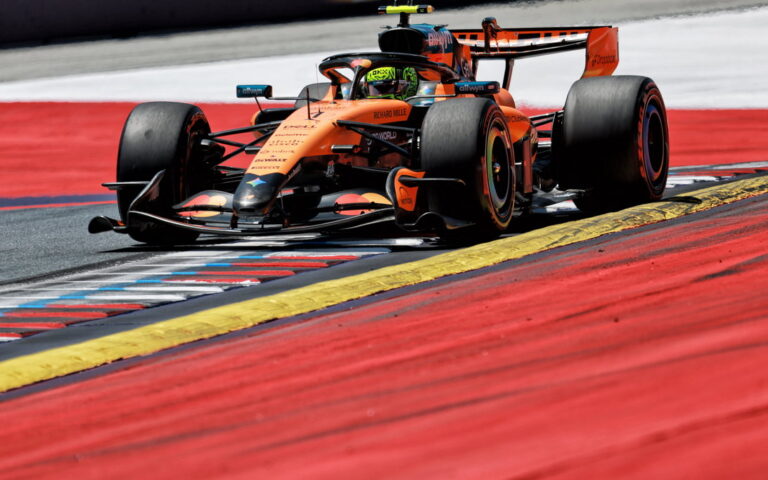
McLaren starts both Lando Norris and Oscar Piastri on intermediates for the May 24 Canadian Grand Prix in Montreal. The drying track quickly neutralises the call and forces early pit stops.
The decision is shared by drivers and senior staff, including Andrea Stella, under the FIA’s five‑minute tyre‑fit deadline. At the point of commitment, light rain and a greasy surface persist.

Norris launches superbly and leads lap one thanks to intermediate grip over the Mercedes drivers. Piastri says slick warm-up looks marginal, aligning with pre-race assessments in the analysis of tyres, teams and drivers in Canada.
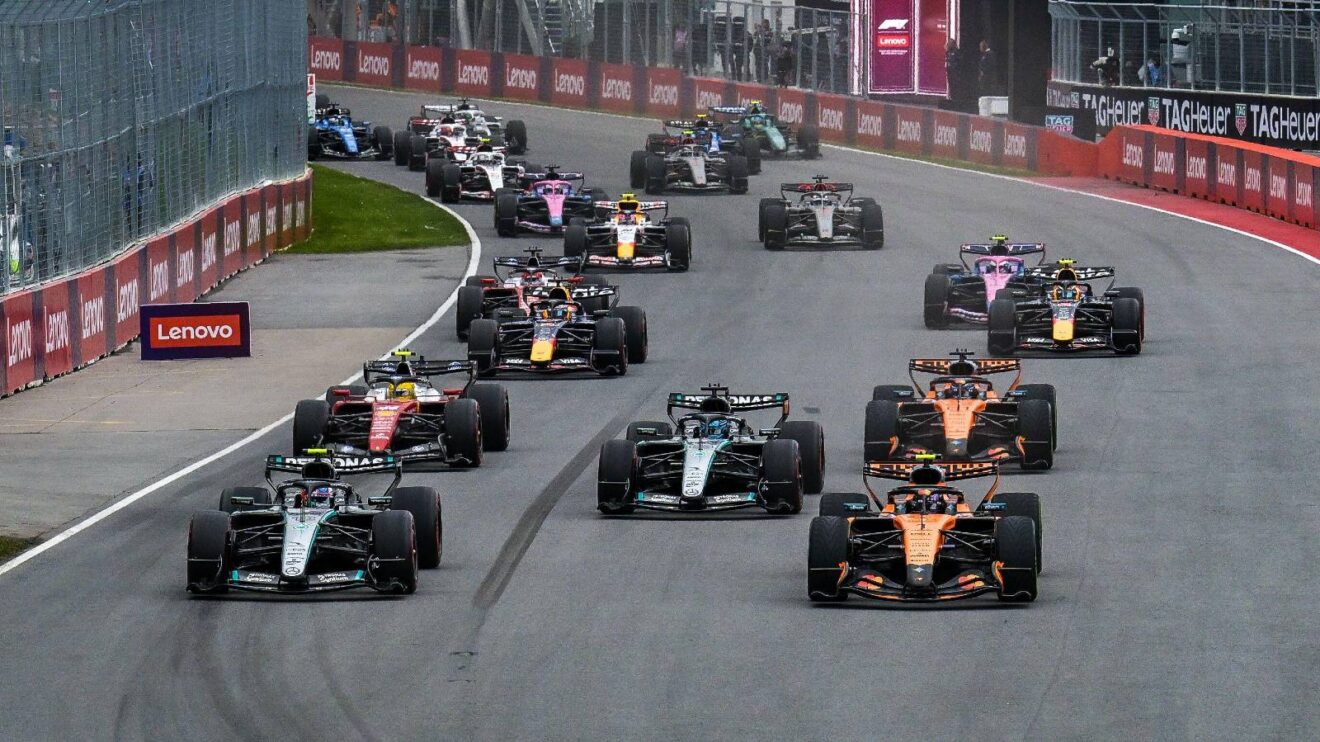
The start is aborted multiple times after grid incidents, including a Racing Bulls clutch problem. Extra formation laps allow the rain to stop and the circuit to dry rapidly.
Delays add formation laps, the rain stops, and the tyre advantage flips within minutes.
Both McLarens switch to slicks early, sacrificing the track position gained at launch. The risk remains logical given any uptick in rain would have favoured intermediates, as seen in teams’ race-day decisions in Canada.
Stella cautions against judging solely by outcome. At tyre-selection time, conditions justify intermediates for survivability on lap one. Accountability is shared across pit wall and drivers.
“At the point of choice the track is greasy and rain is falling; the call fits the information we have,” Stella’s stance implies.
The downside hits McLaren harder than rivals also on intermediates, many starting outside the top 10 with less at stake. The episode underscores McLaren’s ongoing push to reduce its performance gap under variable conditions.
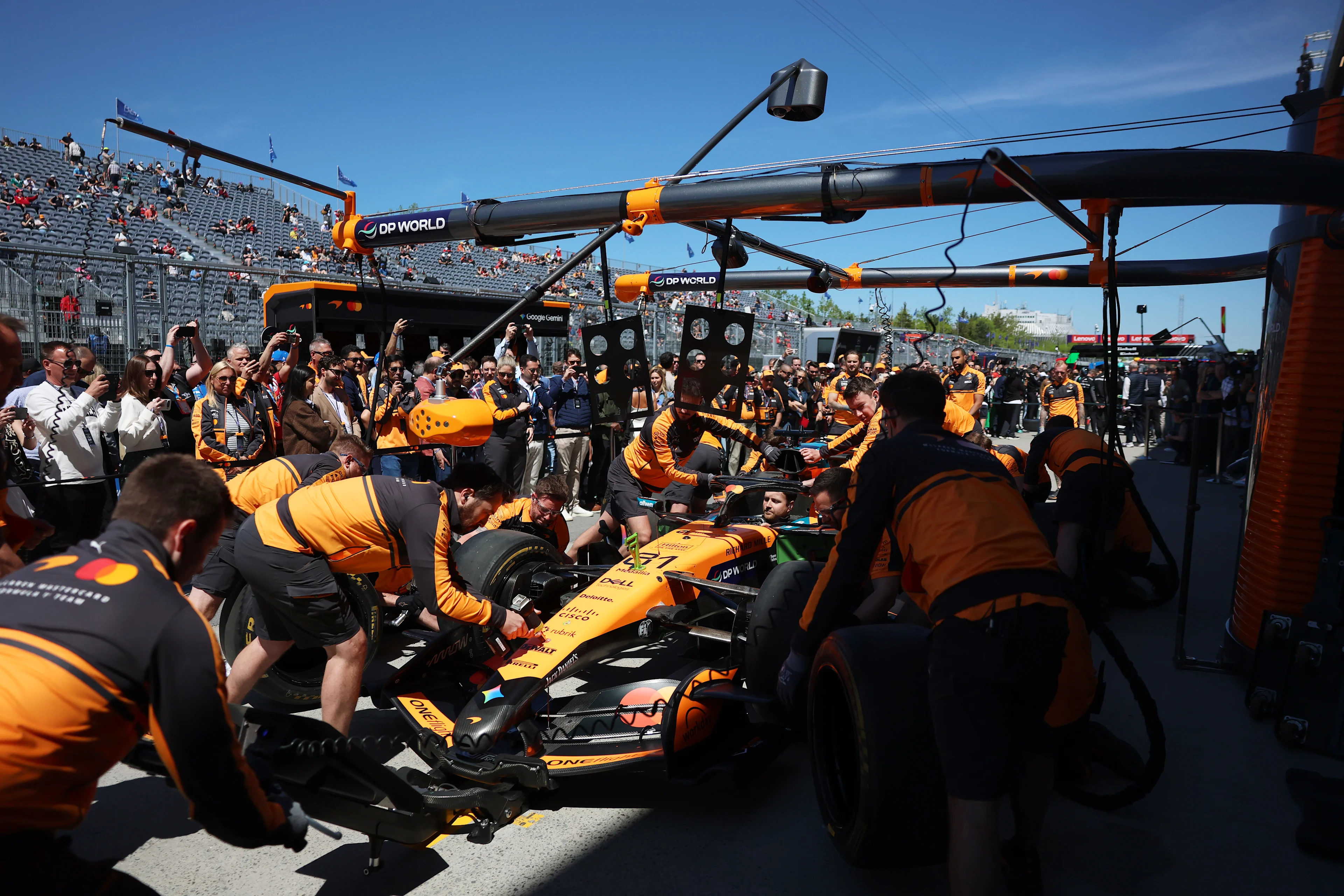
The episode highlights how Montreal’s weather compresses strategic windows. A start on time, or slightly more rain, likely validates the intermediate choice and protects early track position.
Had the race started on schedule, intermediates could have been race-neutral or even race-winning on lap one.
McLaren channels the learning into process and car development, complementing its recent Canadian GP upgrade. The team remains willing to take calculated risks while refining timing judgement.
Ultimately, the intermediate gamble shapes the race without delivering lasting gain. The outcome reinforces how weather volatility, procedure, and tight regulations can overturn sound strategy within minutes.
Visual Summary
?️ WET
☀️ DRY
INTER
SLICK
?
?️
Norris: From P4 → LEAD in Lap 1
↓
?️ Early pit: Lead vanishes
?
?
⏱️
Multiple start delays:
Rain vanished, track dried fast
?
Shared call:
Drivers + Team chose intermediates
⚡
Initial pay-off:
Norris surges; Piastri competitive
?
Tyre switch:
Early pit to slicks erases lead
?
The Gamble: McLaren owned the bold call to start on intermediates—risking for a shot at victory, knowing weather is a merciless teammate. Rain faded, fortune flipped, but the spirit to adapt remains McLaren’s lasting gain.
The Gamble: McLaren owned the bold call to start on intermediates—risking for a shot at victory, knowing weather is a merciless teammate. Rain faded, fortune flipped, but the spirit to adapt remains McLaren’s lasting gain.

Daniel Miller reports on Formula 1 Grand Prix weekends with race-day analysis, team-radio highlights, and point-standings updates. He explains power-unit upgrades, aerodynamic developments, and driver rivalries in straightforward, SEO-friendly language for a global F1 audience.