https://shop.fervogear.com/cart

Max Verstappen Reveals Clear Desire Ahead of Key F1 2027 Seat Decision

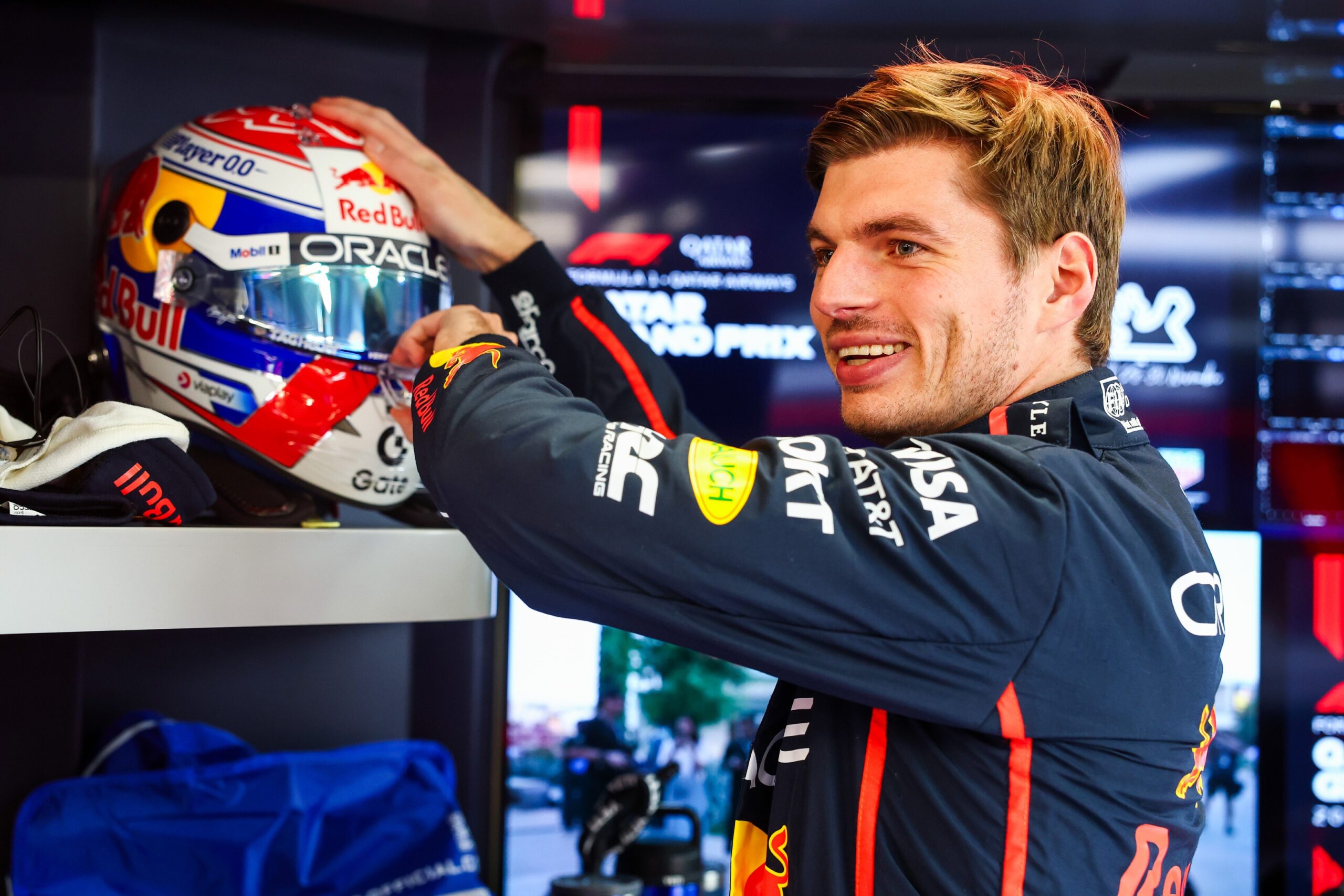
Highlights
- Max Verstappen proposes 60/40 engine-to-electric power split for 2027
- Current 50/50 split deemed “mentally not doable” by Verstappen
- Change aims to reduce battery reliance and increase combustion engine role
- Verstappen wants more natural driving, less energy management restrictions
- Debate ongoing among teams, FIA, and manufacturers on power unit rules
- Proposed changes could reshape qualifying and race strategies in Formula 1
Max Verstappen calls for a 60/40 split favouring the combustion engine in 2027, setting a clear minimum as Formula 1, manufacturers, and the FIA discuss revising hybrid power-unit regulations.
The target replaces today’s 50/50 energy balance, which he argues compromises driving quality. The conversation intensifies after Miami, reflecting mounting concern about energy management dominating performance.

Verstappen labels persisting with 50/50 as “mentally not doable”. He voices frustration after third in Canada, his first podium of the season, underscoring impatience with regulatory drift.
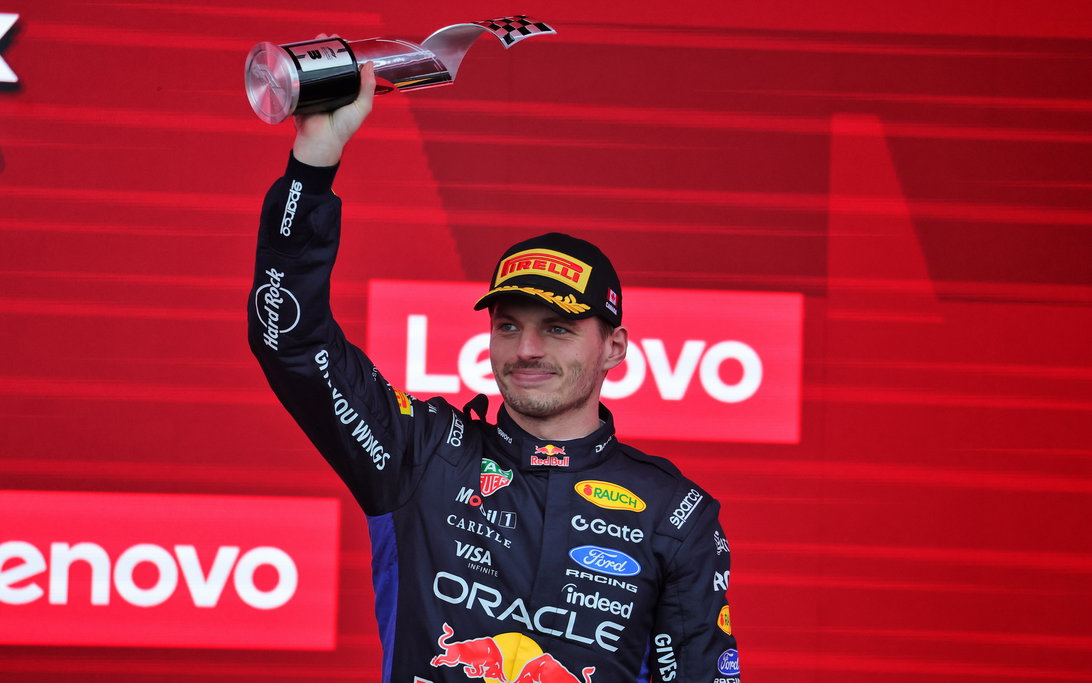
He contrasts Formula 1’s constraints with endurance racing freedom, citing his Nürburgring 24 Hours outing. There, he says the emphasis stays on feel and skill, not harvesting targets.
A 60/40 bias reduces battery dependence and restores combustion headroom, particularly across qualifying laps. It could also alter deployment maps and lift-and-coast demands through stints.
Verstappen: Continuing with a 50/50 split is “mentally not doable.”
An agreement in principle exists, yet adoption remains uncertain as stakeholders balance spectacle with sustainability targets and manufacturer investment cycles.
Red Bull’s competitive baseline stays strong, but adaptability matters if layouts shift. Verstappen’s stance aligns with recent statements on Red Bull’s direction, echoing wider unease over energy-centric racing.
The rule debate sits alongside longer-term choices about F1’s identity. Analysis around the 2027 power-unit framework underscores tension between road-relevance and maintaining the driver’s influence.
He describes current qualifying as “anti-driving, anti-racing” and not what F1 should be.
If implemented, a 60/40 split should reshape qualifying, with less aggressive harvesting and fewer clipped straights. Teams would re-optimise gearing, cooling, and energy ceilings across race stints.
The conversation also touches driver futures. Verstappen’s leverage grows as governing bodies weigh direction, intersecting with ongoing assessments of his long-term plans in F1 and Red Bull’s adaptability.
A 60/40 engine bias is his “minimum” requirement for 2027.
Visual Summary
?
60%
60%
?
40%
40%
⚡
??
“This is all a bit… anti-driving, anti-racing, and that’s not what F1 should be about.”
– Max Verstappen
– Max Verstappen
??
??
F1’s Power Tug-of-War
Verstappen wants MORE engine and LESS battery – pushing for a 60/40 split to “bring back real racing” and lessen energy management headaches.
Racing Excitement: ▲ if ratio changes
(Qualifying & overtaking could get more exciting)

Daniel Miller reports on Formula 1 Grand Prix weekends with race-day analysis, team-radio highlights, and point-standings updates. He explains power-unit upgrades, aerodynamic developments, and driver rivalries in straightforward, SEO-friendly language for a global F1 audience.