https://shop.fervogear.com/cart

McLaren Intensifies Push to Build Innovative Circular F1 Car

Highlights
- McLaren develops a circular Formula 1 car to reduce waste.
- Partners with Google and Deloitte to create sustainability roadmap.
- Reported 14% total and 40% hazardous waste reduction in 2025.
- 22% circularity rate in F1 car chassis production achieved.
- Developed OSCAR robot to accelerate coral cradle production tenfold.
- Plans to expand coral restoration technology beyond Australia.
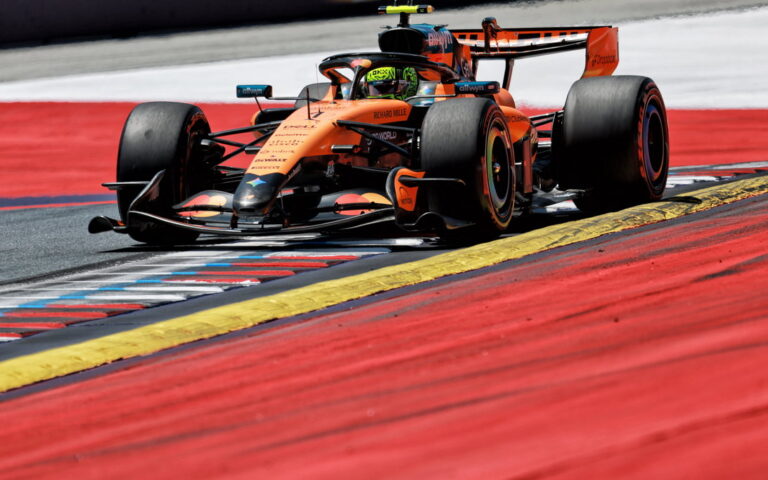
McLaren escalates its push to build a circular Formula 1 car, partnering with Google and Deloitte to cut waste across the car’s lifecycle and embed sustainability without compromising performance.
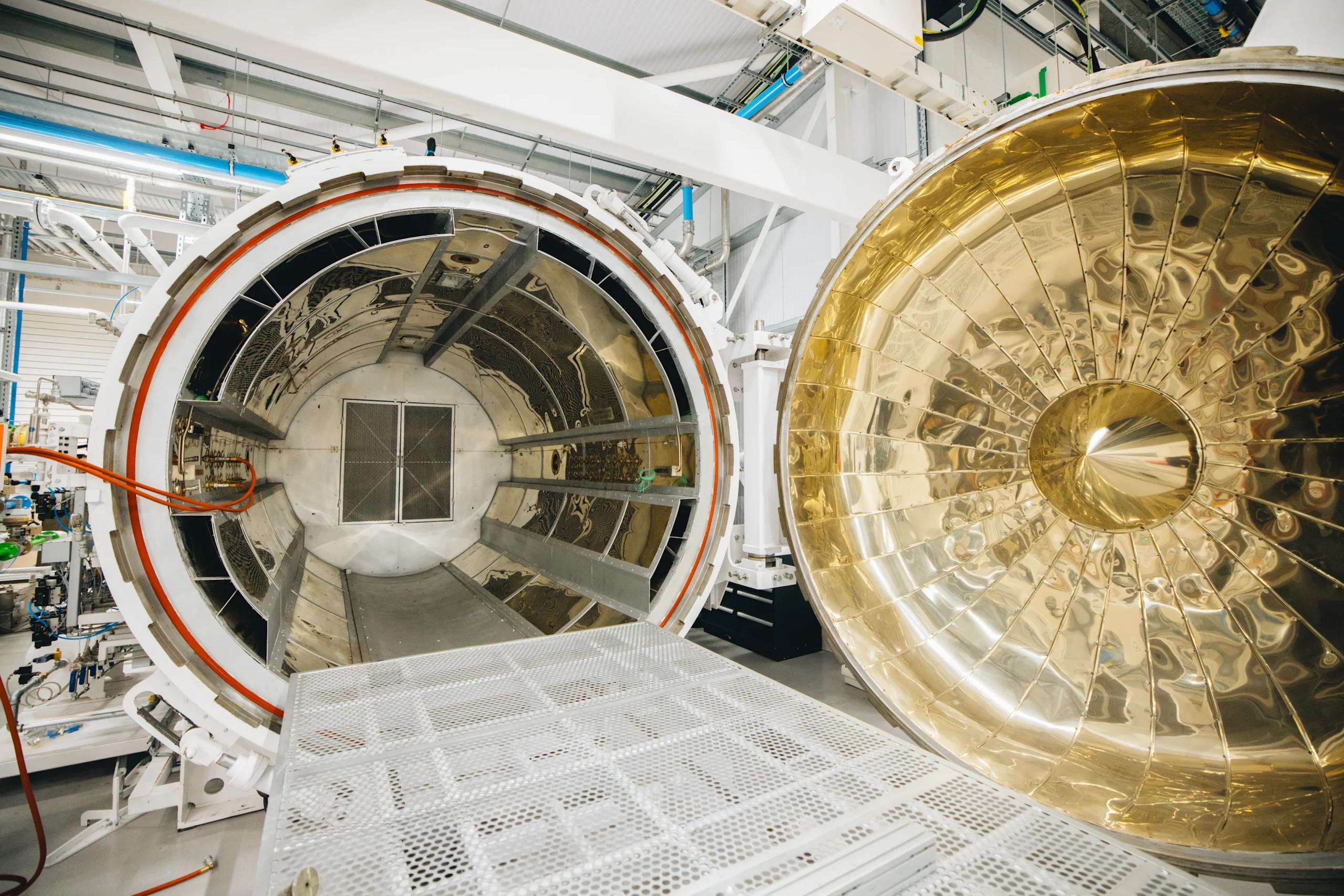
The roadmap targets design, sourcing, manufacturing, and end‑of‑life reuse, prioritising composite circularity and traceable materials while formalising processes that can scale across race and development programmes.

McLaren reports 2025 gains versus 2024: total waste down 14 percent, hazardous composite waste down 40 percent, supported by improved segregation, supplier reuse loops, and stricter production controls.
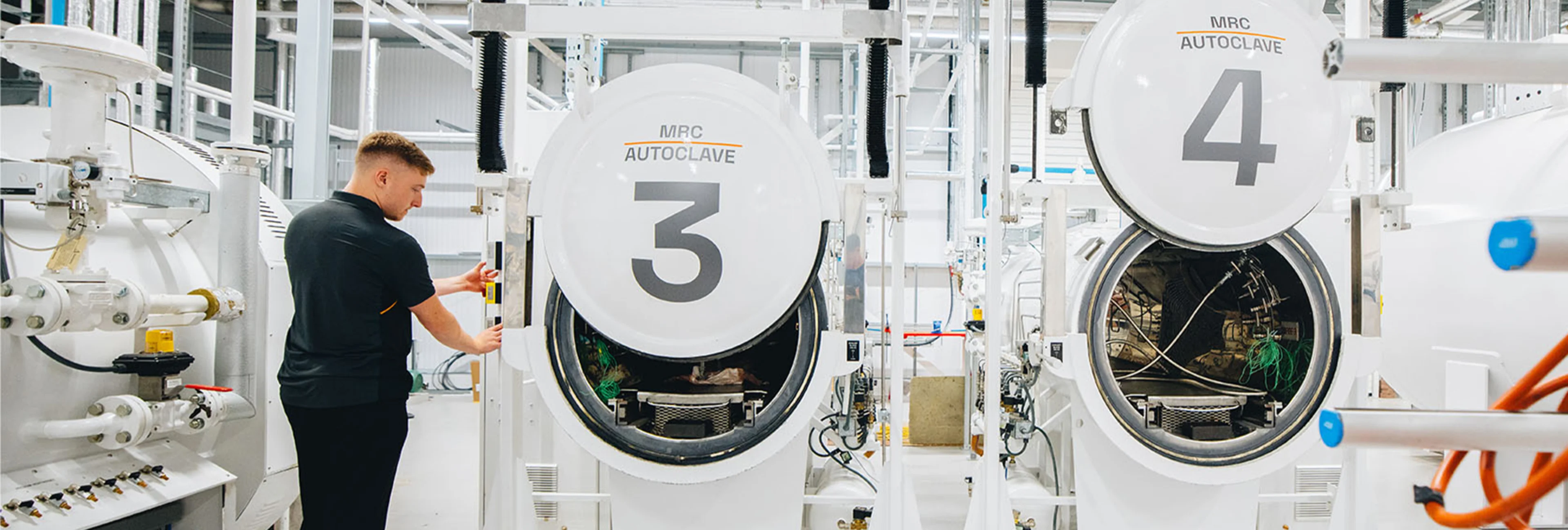
2025 results: 14% total waste reduction and 40% hazardous composite waste reduction versus 2024.
The team sustains a 22 percent circularity rate in chassis production, using recycled metals, bio‑derived inputs, and expanded recycling streams for both general and hazardous materials.
This direction aligns with the incoming ruleset, with McLaren already mapping material strategies against the 2027 F1 changes to minimise waste while safeguarding stiffness, weight, and safety targets.
McLaren maintains a 22% circularity rate in chassis manufacturing, anchored by recycled metals and bio‑derived materials.
Delivering circularity around the survival cell also influences cooling, packaging, and aero, intersecting with power‑unit integration detailed in McLaren’s F1 engine planning and the team’s broader development cadence.
Sustainability work sits alongside on‑track ambitions, where McLaren measures progress against front‑running rivals, including recent markers from the Mercedes–McLaren F1 showdown narrative.
Beyond the car, McLaren’s Accelerator programme partners the Great Barrier Reef Foundation, deploying OSCAR, a robot that assembles fragile coral cradles, cutting build time from 90 seconds to 10 seconds.
OSCAR reduces coral cradle assembly time from 90 seconds to 10 seconds, enabling over one million units annually.
That tenfold acceleration lifts capacity from 100,000 to over one million cradles annually, under trial in Australia ahead of planned expansion to other reef systems.
CEO Zak Brown backs the approach, citing the need to reduce Formula 1’s footprint while leveraging partnerships with Google and Deloitte to industrialise circular methods across the operation.
It also reflects internal alignment between leadership and technical groups, explored in recent insights on the McLaren Lambiase role, which underline disciplined decision‑making and delivery.
The wider sport moves the same way, but McLaren’s measurable reductions and robotics transfer strengthen its case to set practical standards other competitors may adopt.
Visual Summary
McLaren Reinvents F1 with the ‘Circular Car’
Waste reduced, materials reborn: McLaren leads motorsport into a new era where every piece of the car gets a second life.
14%
Total
Waste↓
40%
Haz. Waste↓
22%
Circularity
2024
2025
2027?
♻️
McLaren’s greenest car yet. Racing—responsibly.
McLaren’s greenest car yet. Racing—responsibly.
?
OSCAR:
New robotics tech helps restore coral reefs. Baby coral cradles made 9x faster —
1,000,000+ each year.
?

Daniel Miller reports on Formula 1 Grand Prix weekends with race-day analysis, team-radio highlights, and point-standings updates. He explains power-unit upgrades, aerodynamic developments, and driver rivalries in straightforward, SEO-friendly language for a global F1 audience.