https://shop.fervogear.com/cart

F1 Announces Major 2027 Pre-Season Change Fans Must Know

Highlights
- FIA approved increasing pre-season testing days from three to four.
- Change aims to help teams adapt to 2027 technical regulations.
- Testing likely held at Bahrain Circuit, hosting 2027 season opener.
- Power unit rule revisions may shift energy split to 60-40.
- Minor aerodynamic and bodywork regulation changes also approved.
- All changes pending final FIA World Motor Sport Council approval.
The FIA approves a four-day pre-season test for 2027, up from three, following a Formula 1 Commission meeting in London. Final sign-off still rests with the World Motor Sport Council.
The move reverses recent compression of winter mileage. It gives teams more scope to integrate the 2027 package, including evolving chassis and power unit frameworks under new technical regulations.

Power unit debates continue, with an energy split shift from 50-50 to 60-40 under review. That balance aims to refine drivability and efficiency across stints and conditions.
FIA increases pre-season testing to four days for 2027, pending WMSC approval.
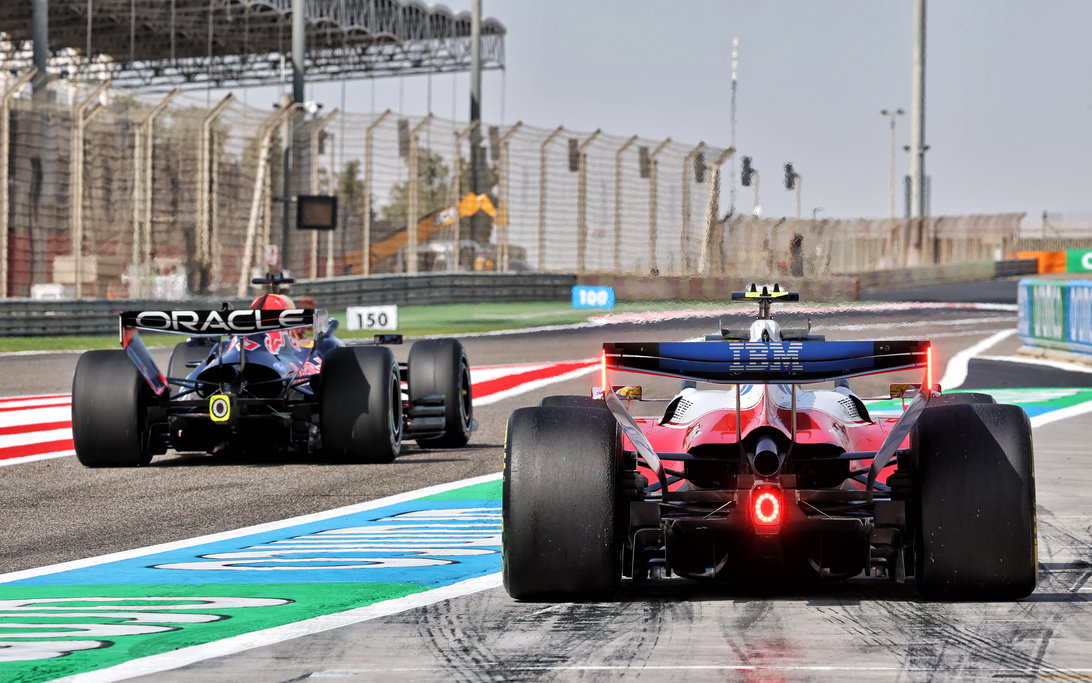
Manufacturers must still ratify any power unit revisions. Teams are modeling alternative builds and calibration plans to protect timelines and mitigate risk.
Bahrain International Circuit is the likely test venue and season opener. Climate, freight consolidation, and tyre management make it the pragmatic choice for early running.
Bahrain is expected to host both pre-season testing and the 2027 season opener in March.
Australia opened the last two campaigns due to Ramadan. The calendar now re-centers on Bahrain for March, improving logistical continuity for teams and suppliers.
Recent winters feature curtailed official mileage. This season included two three-day Bahrain tests and a private five-day Barcelona shakedown for early systems work.
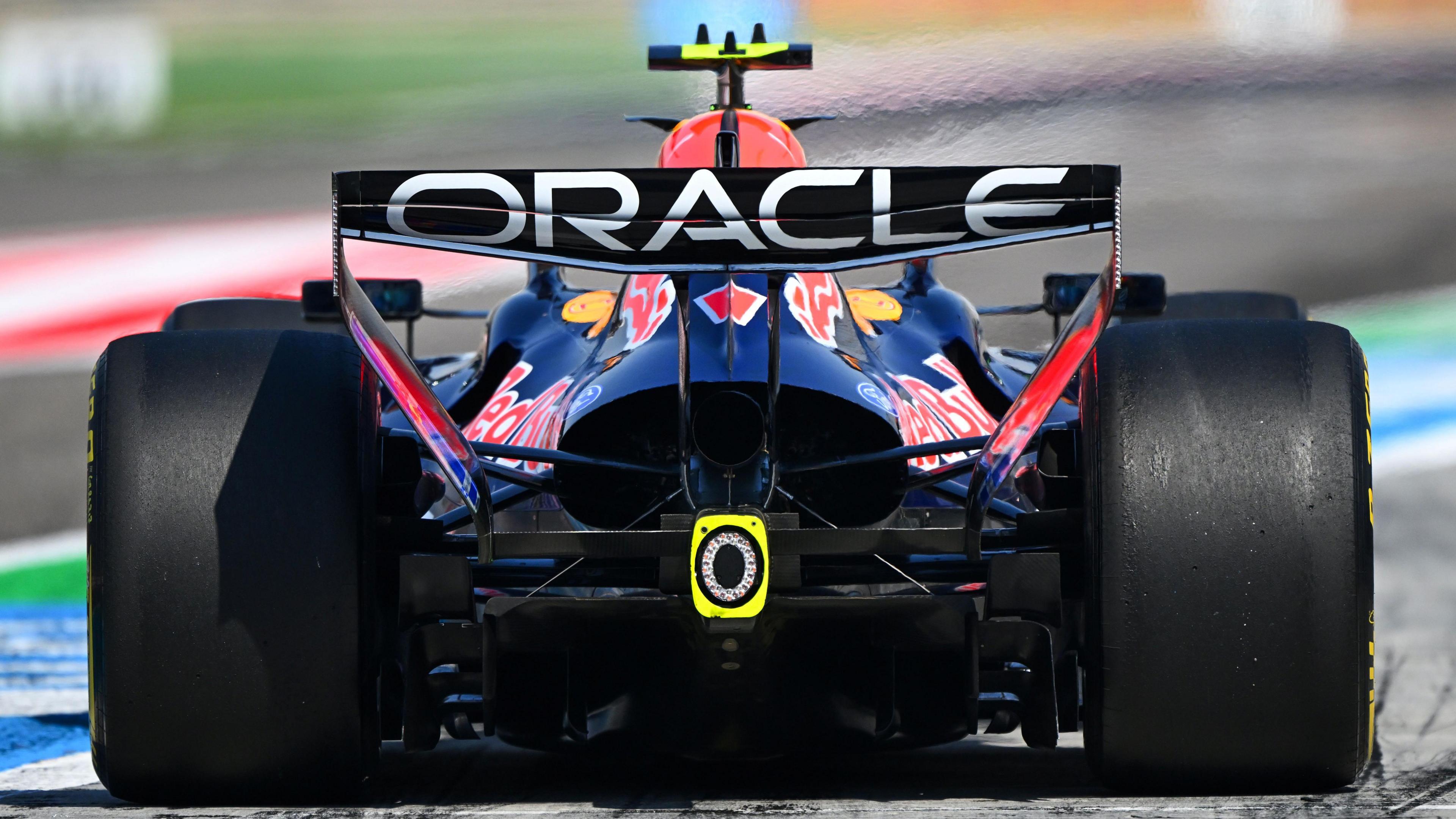
The Commission also approves minor aerodynamic and bodywork updates. Details are pending, but the scope appears limited rather than a wholesale rewrite.
Testing of Previous Cars will be restricted at venues that host a grand prix the following season.
New limits on Testing of Previous Cars arrive. Teams face constraints on running at circuits scheduled to host a grand prix the following year.
The aim is to control circuit-specific correlation advantages and costs. It should reduce targeted preparation that risks skewing competitive balance.
Extra track time helps de-risk reliability and integration. Expect focused programs on cooling, energy deployment, and tyre behavior, aligned to power unit performance priorities.
A 60-40 ICE/electrical energy split remains under consideration for 2027 power units.
Teams will emphasize long-run data, aero correlation, and mapping. The added day eases pressure on mileage targets and improves decision quality before parc fermé realities.
Stakeholders await the WMSC decision and further technical notes. The winter approach, and outcomes of ongoing 2027 talks and doubts, could define the early pecking order.
Visual Summary
1
2
3
4
+1 Day
Pre-Season Testing: Now 4 Days
FIA extends F1’s 2027 pre-season test, giving teams vital extra mileage to adapt to new engine & aero rules.
The stage: Bahrain. The mission: Prepare for the future.
FIA extends F1’s 2027 pre-season test, giving teams vital extra mileage to adapt to new engine & aero rules.
The stage: Bahrain. The mission: Prepare for the future.
ICE/Electric
→
60/40?
?
Winter Sun Awaits
Bahrain returns as F1’s season opener.
Real-world track time, new regulations debut.
Bahrain returns as F1’s season opener.
Real-world track time, new regulations debut.
?️ Plus: Minor updates to car bodywork and fairer test limits – as teams race to adapt, who will master 2027’s new era first?

Daniel Miller reports on Formula 1 Grand Prix weekends with race-day analysis, team-radio highlights, and point-standings updates. He explains power-unit upgrades, aerodynamic developments, and driver rivalries in straightforward, SEO-friendly language for a global F1 audience.