
https://shop.fervogear.com/cart

Inside Donald Trump’s Failed New Jersey F1 Grand Prix Bid

Highlights
- Donald Trump attempted to bring F1 Grand Prix to New Jersey.
- Flavio Briatore introduced Trump to F1 CEO Bernie Ecclestone.
- F1 struggled in US during early 2000s; project failed.
- US now hosts three F1 races: Austin, Miami, Las Vegas.
- Cadillac joined F1 grid in 2024, boosting US presence.
- Trump preferred New Jersey over New York for simpler logistics.
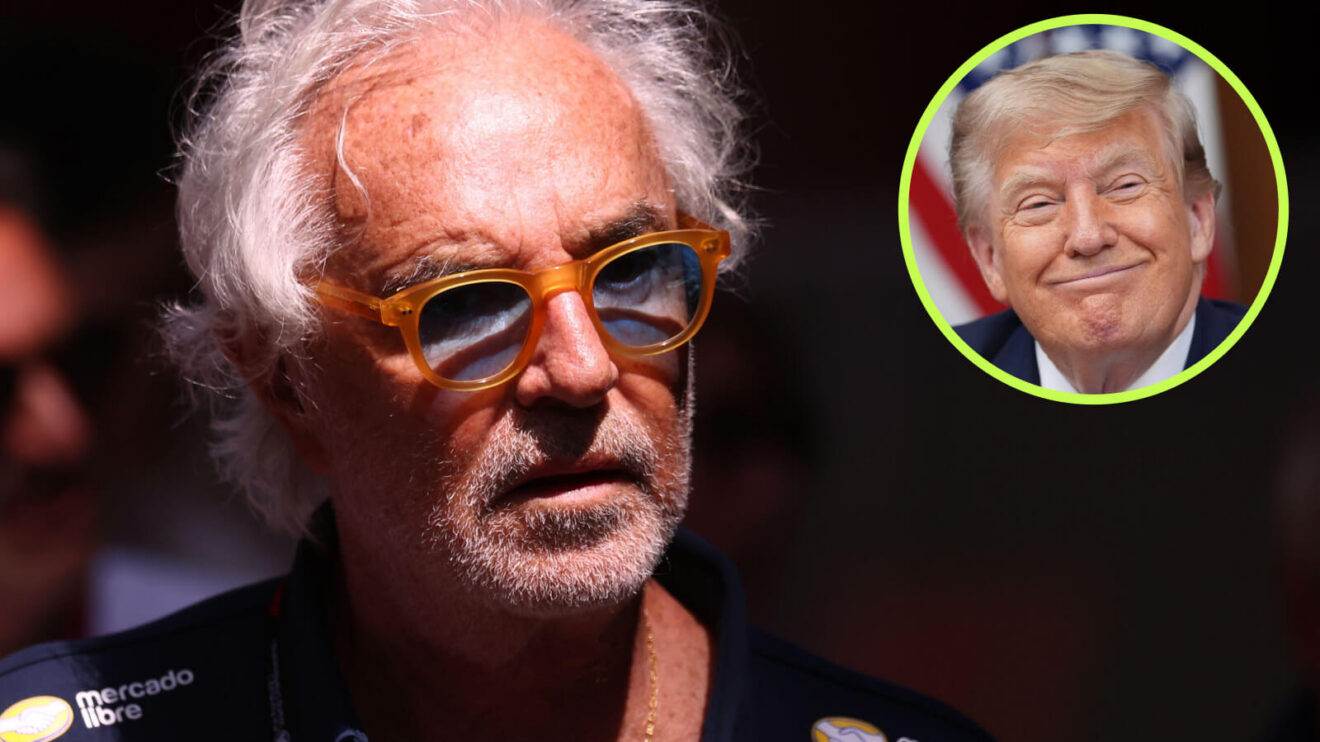
Flavio Briatore reveals Donald Trump pursued a New Jersey Formula 1 Grand Prix, a plan that stalled amid America’s lukewarm F1 market and complex venue negotiations in the late 2000s.
Briatore introduced Trump to then-F1 chief Bernie Ecclestone as Liberty-era expansion was still years away and the calendar sought a replacement after the 2007 United States Grand Prix’s demise.

Initial discussions weighed New York’s prestige against New Jersey’s practicality. Trump preferred New Jersey, citing permitting, street-closure complexity, and costs, while offering his promoter experience across major Las Vegas events.
Trump pushed New Jersey over New York, citing red tape and street-closure complexity.
Presentations mapped potential waterfront and urban layouts near Manhattan, but talks with New Jersey authorities and stakeholders never produced binding agreements or a sustainable event model.
Briatore says the core obstacle was valuation. In the United States, F1 trailed NASCAR and IndyCar in prestige, making political backing, sponsorship, and municipal appetite far harder to secure.
F1 lagged NASCAR and IndyCar in perceived value, blunting political and commercial support.
That climate limited momentum for a new street race, a familiar challenge on a calendar that routinely balances investment, politics, and F1 calendar risks across emerging markets.
The picture changes dramatically by the mid-2020s. Netflix’s Drive to Survive broadens appeal, and the USA now hosts Austin, Miami, and Las Vegas, each delivering scale and significant commercial returns.
American manufacturer Cadillac joins the grid in 2024, further anchoring the market and strengthening links between Detroit boardrooms, US sponsors, and the sport’s commercial rights holder.
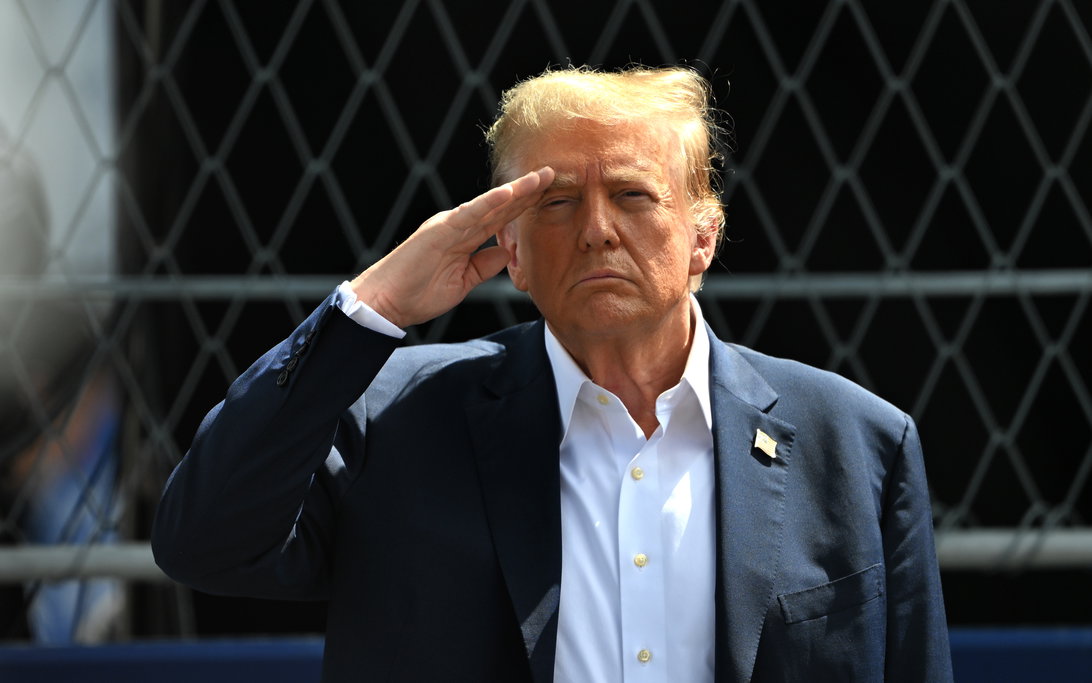
Austin, Miami, and Las Vegas anchor F1’s modern US footprint.
Cadillac’s 2024 entry strengthens US ties on and off the grid.
Briatore’s account of meetings at Trump’s office, including venue footage reviews, is expanded in the Briatore–Trump F1 bid coverage.
Against that backdrop, Trump’s proposal reads as a timing mismatch rather than a flawed concept, overtaken by a later upswing in demand and municipal willingness to stage complex street events.
Looking ahead to 2026, the US remains pivotal as technical change and event economics evolve, with F1 2026 issues and prospective 2027 aero changes shaping competitive and commercial narratives.
Visual Summary
🚧
Trump’s F1 US Grand Prix: The Bridge That Never Reached New York
In 2008, Donald Trump tried to launch a Formula 1 race on the New Jersey waterfront, aiming to connect F1 to New York’s skyline.
But the plan stalled—the country wasn’t ready.
But the plan stalled—the country wasn’t ready.
⛔
2007
US GP
drops
drops
🚧
2008
Trump/Briatore
project
project
🏁
2012
Austin
starts
starts
🌴
2022
Miami
debut
debut
🎲
2024
Las Vegas &
Cadillac
Cadillac
⭐
2026
3 US
races
races
🌉
America wasn’t ready for F1 — but now, the bridge is built!
👤 Trump’s bid is a footnote in history—F1 fandom in the US has since exploded.
Daniel Miller reports on Formula 1 Grand Prix weekends with race-day analysis, team-radio highlights, and point-standings updates. He explains power-unit upgrades, aerodynamic developments, and driver rivalries in straightforward, SEO-friendly language for a global F1 audience.