

https://shop.fervogear.com/cart

F1 Faces Pressure to Revamp Sprint Points as 2027 Calendar Grows

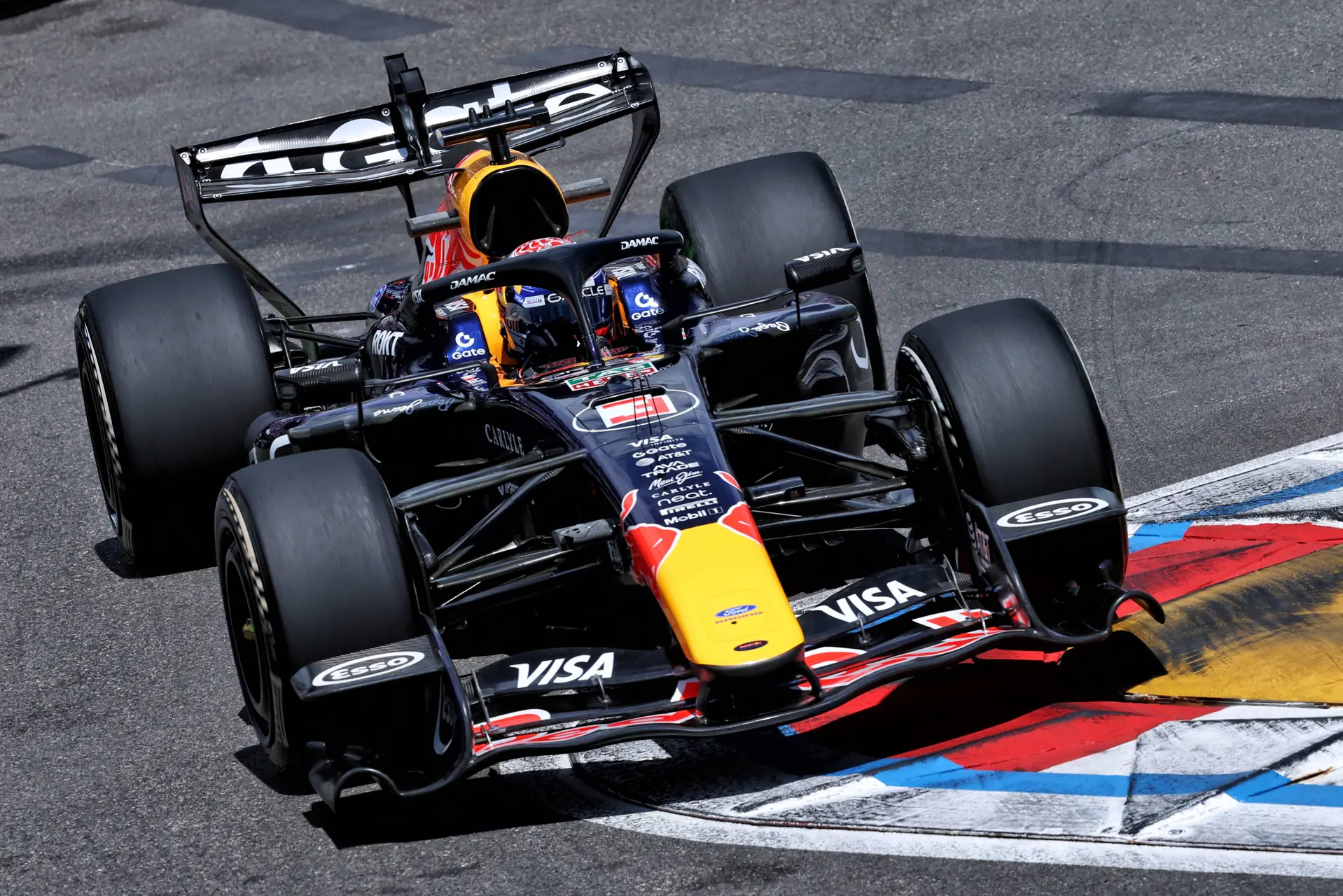
Highlights
- 2027 season will feature 10 sprint weekends at major tracks.
- Current sprint points awarded to top eight finishers only.
- Will Buxton suggests increasing sprint points and wider distribution.
- Teams face budget challenges due to increased race and development limits.
- Rookie drivers must receive six practice sessions per team annually.
- Discussions on sprint points and testing rules continue for 2027.
Formula 1 faces growing pressure to revise its sprint points system as the 2027 calendar expands. Presenter Will Buxton urges a rethink of scoring and aerodynamics testing rules.
The 2027 schedule includes 10 sprint weekends, spanning Bahrain, Australia, Japan, Canada, Monaco, Great Britain, Italy, Brazil, Qatar, and Abu Dhabi. Saturdays continue to feature roughly 100-kilometre races.

Currently, only the top eight score. The winner receives eight points, then seven down to one for eighth. Buxton argues this undervalues sprints and wants points spread deeper through the field.
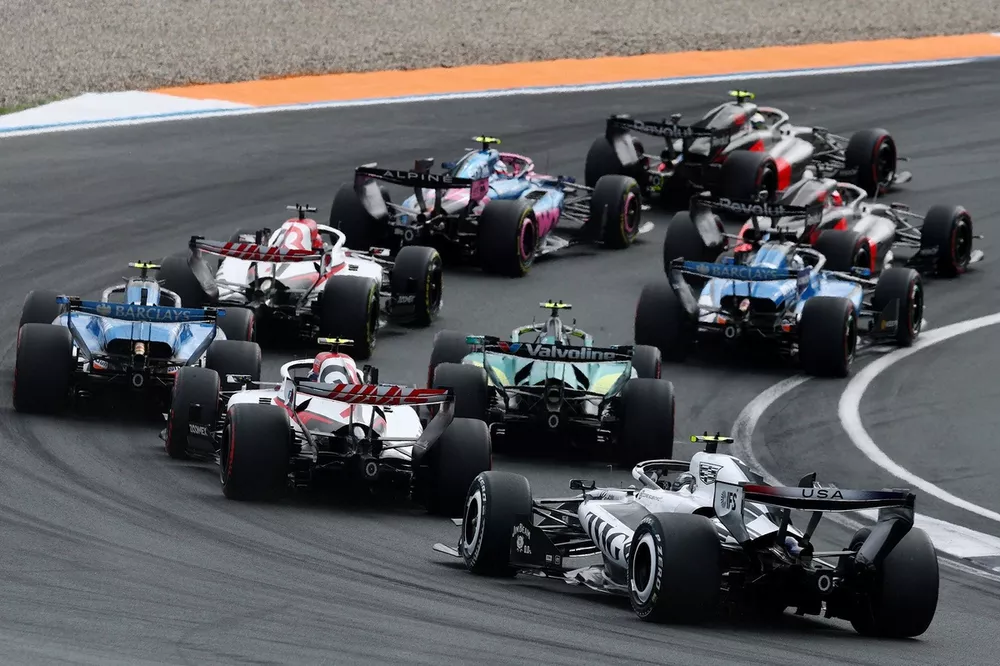
Closing the gap to grand prix points could better reflect the competitive weight of sprints. Most drivers already manage dual-race weekends from junior series experience.
With 10 sprints, the potential points swing grows. Championship dynamics could shift, particularly for midfield teams that execute well on short-run pace and starts.
Budget pressure is also intensifying. As events increase, spending must still comply with the cost cap, prompting fresh scrutiny of permitted development scopes and operational choices across the year.
R&D remains governed by aerodynamic testing restrictions, scaling wind tunnel and CFD runs by previous results. Tweaks could grant flexibility, while keeping competitive balance intact.
2027 will feature 10 sprint weekends, expanding the competitive footprint across the schedule.
Buxton argues sprint points should extend beyond the top eight to reflect their significance.
Budget discussions link closely to any points overhaul. More sprint value increases stakes, potentially forcing teams to reallocate resources under the cost cap constraints.
Naomi Schiff highlights another tension point. Each team must deliver six practice sessions for rookies, adding planning complexity to already compressed sprint timetables.
Any adjustment will require consensus on sporting equity and costs. That includes how sprint parc ferme implications, tyre usage, and risk profiles interact with a revised scoring model.
The FIA and F1 continue to shape the 2027 framework. Broader regulatory updates sit on the table, with details tracked through the evolving package of FIA F1 2027 changes.
Teams must allocate six practice sessions to rookies each season, complicating sprint-heavy schedules.
Aerodynamic testing time remains tightly controlled by ATR and CFD limits linked to previous standings.
If sprint points rise and distribution widens, racecraft emphasis could shift. Drivers may prioritise measured aggression, knowing small gains carry greater championship consequence.
Clarity is expected in the coming months. Discussions also cover format tweaks, including debates around shorter 2027 races, as F1 finalises its expanded sprint era.
Visual Summary
SPRINT
MAIN
>>>
GAP
>>>
“BOOST SPRINT POINTS!”
10
Sprints
in 2027
Sprints
in 2027
8
1
1
winner ➔ 8 pts
8th ➔ 1 pt
Value to be
reconsidered
Bahrain
Australia
Japan
Canada
Monaco
Britain
Italy
Brazil
Qatar
Abu Dhabi
Australia
Japan
Canada
Monaco
Britain
Italy
Brazil
Qatar
Abu Dhabi
⚖️
Points
+
Rookie seats
+
Cost cap
+
R&D limits
F1 wrestles with the growing sprint era

Daniel Miller reports on Formula 1 Grand Prix weekends with race-day analysis, team-radio highlights, and point-standings updates. He explains power-unit upgrades, aerodynamic developments, and driver rivalries in straightforward, SEO-friendly language for a global F1 audience.