
https://shop.fervogear.com/cart

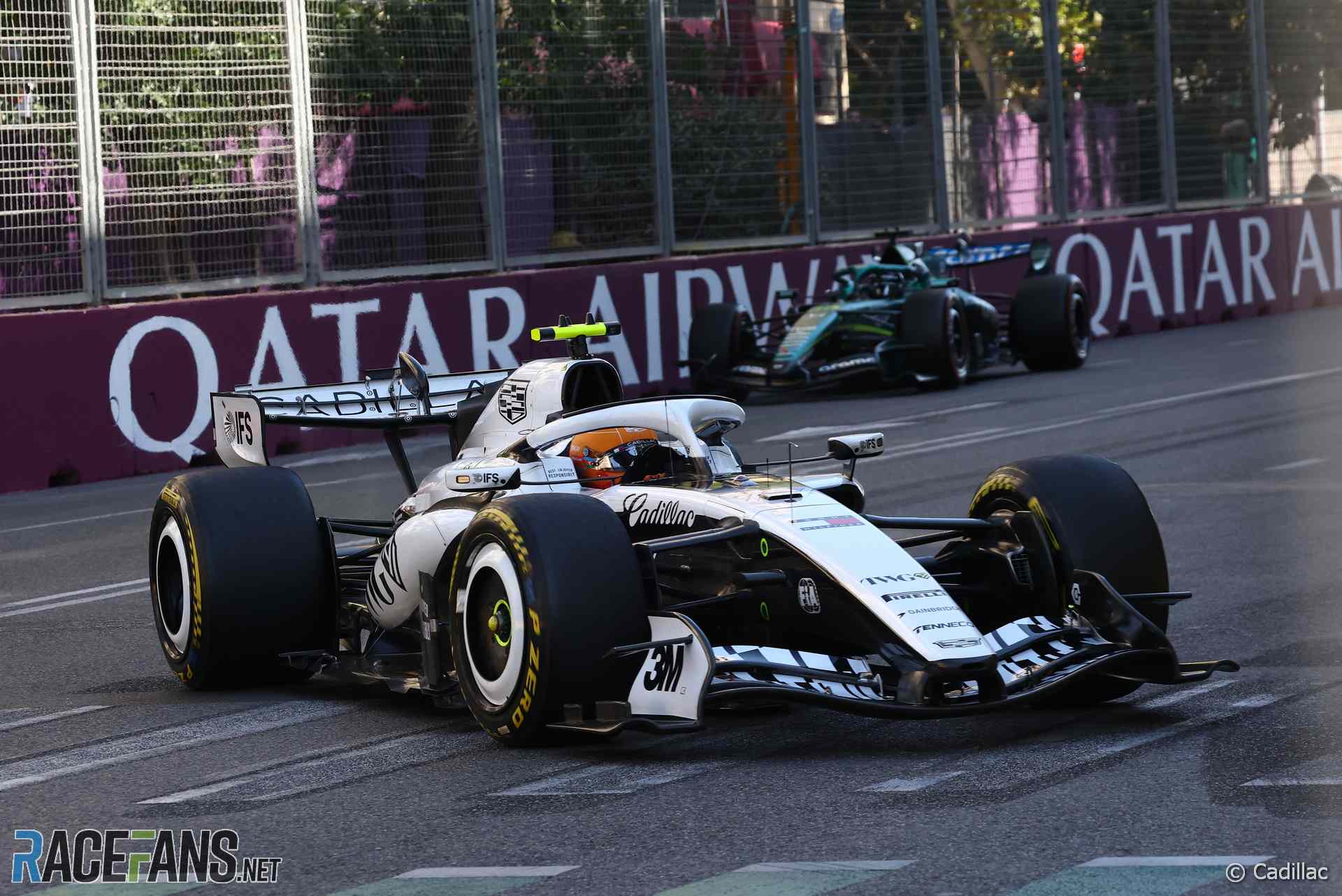
Valtteri Bottas Blames Cadillac Car ‘Confusion’ for Bizarre F1 Crash

Highlights
- Valtteri Bottas crashed due to energy system confusion in Azerbaijan GP.
- Crash occurred at Turn 15 under yellow flag conditions.
- Bottas’s car’s energy algorithms failed after an earlier lap mistake.
- 2026 F1 energy system uses adaptive algorithms, not direct driver control.
- Cadillac F1 team to address energy system issues before next races.
Valtteri Bottas retires from the Azerbaijan GP after a Turn 15 crash under yellows, attributing it to a confused energy system following an earlier mistake.
He strikes the wall at modest speed as leaders George Russell and Max Verstappen approach. The contact ends a scrappy but salvageable run.

“I had a huge super clip into Turn 15,” Bottas says. “When I braked, only the fronts worked. The rears stopped harvesting.”
Bottas previously locked up at Turn 1 and ran wide. The extra distance appears to desync energy targets, unsettling brake-by-wire balance and rear regeneration.
“Only the front brakes would work” — Bottas on the decisive moment at Turn 15.
Since 2026, drivers no longer micromanage deployment. Adaptive algorithms allocate harvesting and release, learning from inputs and repeatable lines rather than manual modes.
Drivers do not directly control energy deployment in 2026; onboard algorithms learn and adapt to style and line.
Deviations amplify risk. Running off line or extending the lap can skew models, producing harvesting shortfalls or brake balance shifts, exactly as Cadillac experiences here.
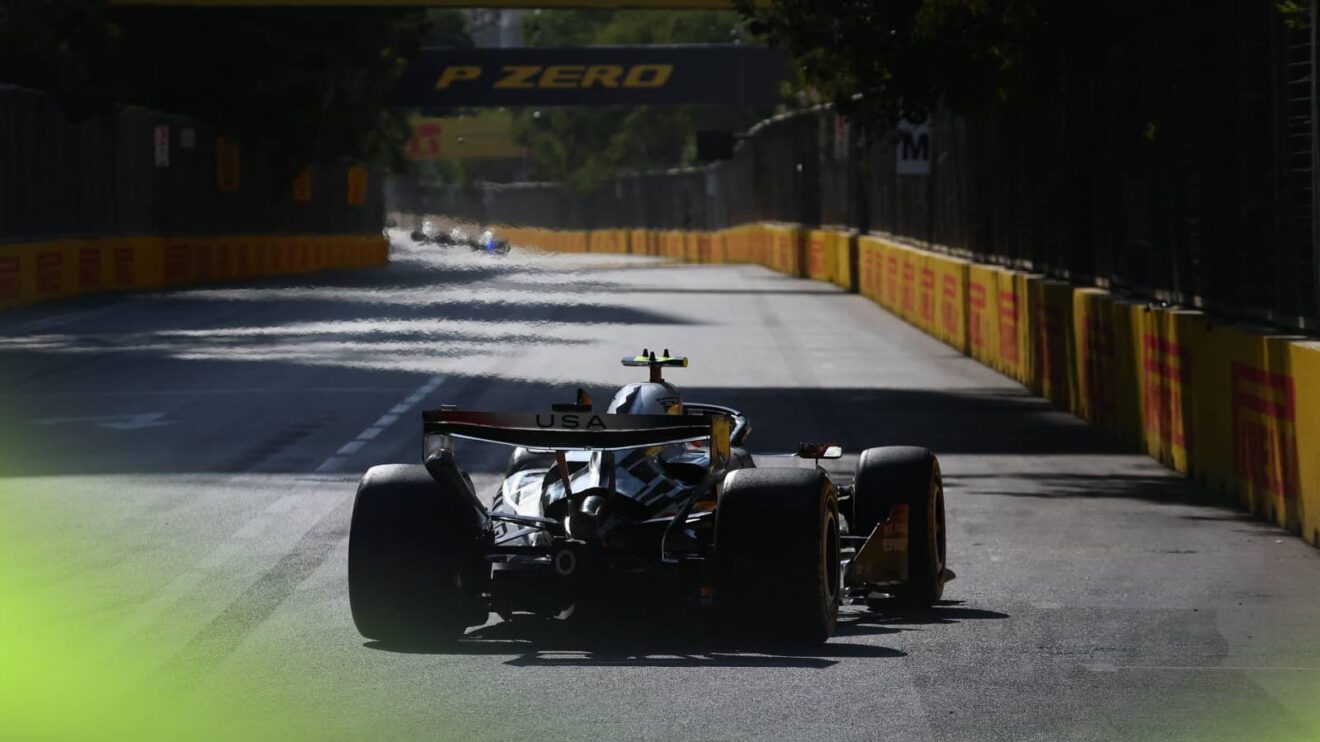
The episode extends a difficult learning curve for Cadillac. Bottas’s irritation with evolving systems already features this season, echoing setup and software recalibration struggles.
The Azerbaijan weekend also exposes a relative pace deficit, magnifying risk when margins are thin. Bottas’s off-line moments prove costly against the walls here.
A small off-line excursion can cascade into braking imbalance under the 2026 hybrid ruleset.
Up front, Russell and Verstappen continue their duel unaffected. The caution sequence compresses strategy, but the leaders maintain control as Bottas retires.
Cadillac plans software and calibration checks before the next events, with targeted work on a brake‑harvesting fix to prevent repeat failures.
Organisational execution matters with complex hybrids. Cadillac’s split US–UK operation must streamline feedback loops to shorten response time on control systems.
For Bottas, the target is predictable braking and regeneration, turning a cautionary failure into repeatable performance as development accelerates.
Visual Summary
Bottas Bites the Wall
Algorithm Overload in Baku
🏁 Lap 47 Crash
“Confused Energy System”
💥 Out – No Injury
🤔
Human Instinct
(Bottas at the wheel)
Human Instinct
(Bottas at the wheel)
⇄
🤖
Algorithmic Logic
(Energy deployment AI)
Algorithmic Logic
(Energy deployment AI)
Technology can’t improvise like a driver can.
Bottas’s small off-line mistake confused the car’s “robot brain” into braking failure.
When Formula 1 pushes AI and automation, new risks emerge.
Bottas’s small off-line mistake confused the car’s “robot brain” into braking failure.
When Formula 1 pushes AI and automation, new risks emerge.

Daniel Miller reports on Formula 1 Grand Prix weekends with race-day analysis, team-radio highlights, and point-standings updates. He explains power-unit upgrades, aerodynamic developments, and driver rivalries in straightforward, SEO-friendly language for a global F1 audience.