
https://shop.fervogear.com/cart

How George Russell Took the Lead from Ocon at Mercedes

Highlights
- Esteban Ocon to leave Haas at the end of 2026 season.
- George Russell’s Mercedes promotion shifted focus away from Ocon.
- Ocon nearly replaced Hamilton at 2019 German Grand Prix.
- Russell impressed with 2018 F2 championship and Mercedes tests.
- Ocon’s combative style contrasted with Bottas’ steady team role.
- Ocon joined Renault in 2019 but overshadowed by Ricciardo.
Esteban Ocon will depart Haas after 2026, as confirmed by his Haas exit in 2026, refocusing scrutiny on how Mercedes’ choices earlier redirected his career trajectory.
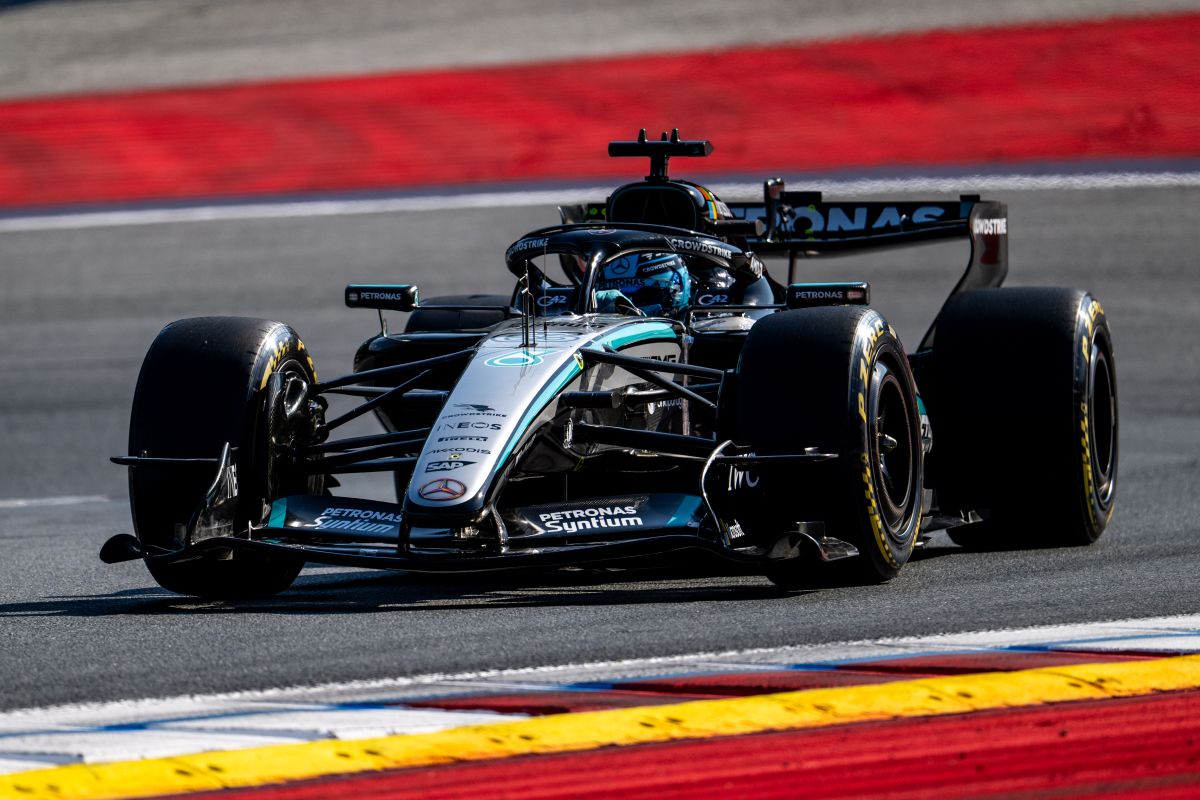
Mercedes’ decision to pair George Russell with Lewis Hamilton reorders its driver hierarchy and pushes Ocon out of realistic contention for the works seat.

A sliding-doors moment arrives at Hockenheim 2019, when Ocon nearly substitutes for an unwell Hamilton. Wet conditions and W10 familiarity promise a showcase. The call never materializes.
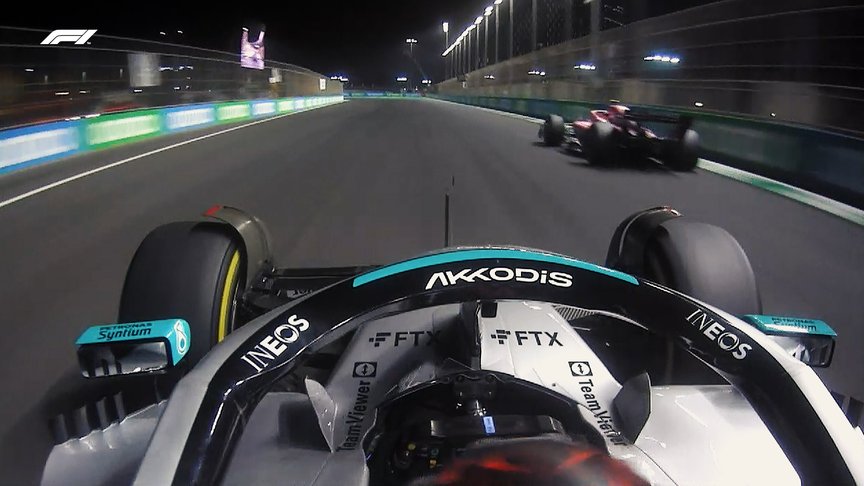
Mercedes evaluates Bottas’ 2020 future then. As reserve, Ocon is credible. A standout cameo could have forced change, particularly given his wet-weather control and tyre sensitivity.
Hamilton races instead, the opportunity vanishes, and Bottas stays. After earlier intra-team flashpoints, management again prioritizes stability, predictable collaboration, and low operational risk alongside Hamilton.
Ocon almost replaced Hamilton at the wet 2019 German Grand Prix, but the call never came.
Meanwhile Russell builds irresistible momentum at Williams. The 2018 Formula 2 champion blends speed with exceptional engineering feedback, impressing Mercedes staff during tests and correlation work.
His 2020 Sakhir stand-in, outpacing Bottas, validates the succession plan and boosts his F1 title hopes, accelerating Mercedes’ timetable and reframing Ocon’s ceiling within the programme.
Ocon’s junior record is strong, if less headline-grabbing. He edges Pascal Wehrlein within Mercedes’ ecosystem, aided by composed wet drives, notably the chaotic 2016 Brazilian Grand Prix.
Force India seasons confirm near-Perez pace. Marginal qualifying gaps contrast with smaller points haul. Repeated clashes underline combative instincts that can complicate big-team harmony and development focus.
Bottas’ steady temperament suited Mercedes’ need for harmony alongside Hamilton.
For Toto Wolff, risk management is paramount. Partnering Hamilton with another assertive racer threatens strategy cohesion, tyre management synergy, and simulator alignment. Bottas reduces volatility and preserves execution bandwidth.
Seat-market turbulence follows. Wolff positions Ocon at Renault, but Daniel Ricciardo’s arrival disrupts continuity and shrinks the window to stake an unassailable long-term claim.
Context matters: during Mercedes’ record-setting hybrid era, process reliability and driver alignment repeatedly decide championships as much as outright pace.
Russell’s rise steadily reduced Ocon’s standing within Mercedes’ long-term planning.
Today Ocon remains valuable: effective in mixed conditions, robust in wheel-to-wheel fights, and trusted in the simulator. Yet Mercedes’ pathway closes once Russell becomes Hamilton’s designated successor.
His next chapter, as he leaves Haas, depends on aligning with a project that prizes his strengths and manages the combative edges.
Visual Summary
Opportunity Fork: Russell Surges, Ocon Sidestepped
The Mercedes moment that changed two F1 careers
⛈️
2019 GERMAN GP: Ocon nearly called up to sub for sick Hamilton (wet race).
Missed chance to shine in his specialty conditions.
🚀
2020 SAKHIR: Russell fills in for Hamilton, outpaces Bottas, wows Mercedes.
Seizes moment, becomes Hamilton’s successor in 2022.
💧
Ocon: Resilience & wet-weather ace, but overshadowed by Ricciardo at Renault.
Never gets his defining Silver Arrows opportunity.
🔀
FORK IN THE ROAD: Russell becomes Mercedes’ new hope.
Ocon’s path grows tougher, now set to leave Haas post-2026.
One Mercedes decision, two destinies. Sometimes the most important race is lost in the paddock.
Daniel Miller reports on Formula 1 Grand Prix weekends with race-day analysis, team-radio highlights, and point-standings updates. He explains power-unit upgrades, aerodynamic developments, and driver rivalries in straightforward, SEO-friendly language for a global F1 audience.