

https://shop.fervogear.com/cart


George Russell’s Harsh Reality Confirmed as FIA Approves Mercedes Changes

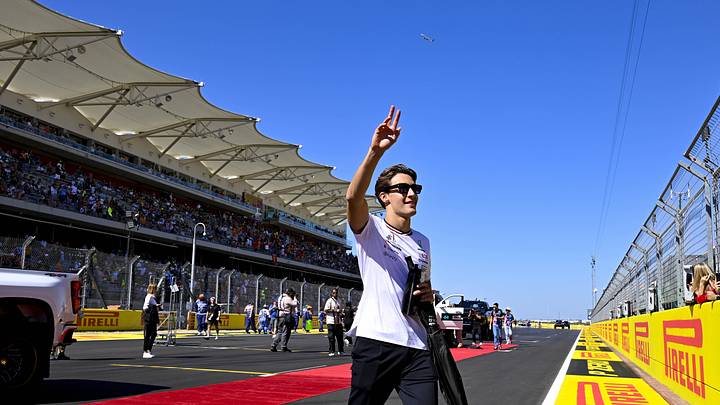
Highlights
- Mercedes to introduce seven new power unit components for Russell
- Russell retires in Malaysia, triggering power unit changes
- Russell starts Singapore Grand Prix from the back of the grid
- Singapore circuit’s tight layout makes overtaking especially difficult
- Mercedes aims to recover positions via strategy and pit stops
- Penalties may impact championship standings and reliability battles
The FIA confirms Mercedes will fit seven new power unit elements to George Russell’s car after his Malaysia retirement, mandating a back-of-grid start for Singapore Grand Prix at Marina Bay.
Exceeding the seasonal allocation for internal combustion, turbo, MGU-H, MGU-K, control electronics, energy store, and exhaust triggers penalties. Mercedes changes aim to protect reliability after the stoppage.

Starting last at Marina Bay compounds the damage. The street circuit offers sparse overtaking zones, rewards track position, and punishes errors, especially in humid, low-grip night conditions.
Recovery will hinge on safety-car timing, clean pit work, and tyre offsetting. Mercedes must maximise race strategy and pit stop efficiency to unlock opportunities when rivals hit traffic.
Russell’s season-long pace suggests he can convert race craft into gains. Managing traffic, tyre temperatures, and battery deployment will decide whether he reaches the points from the back.
Seven fresh power unit elements guarantee Russell starts from the back in Singapore.
This setback underlines Mercedes’ ongoing deficit to Red Bull. Verstappen’s camp continues to execute relentlessly, leaving Mercedes balancing development pushes with reliability containment.
The component overhaul reflects the sport’s constant trade-off between durability and performance. Mercedes’ technical struggles make careful mileage management as important as raw pace.
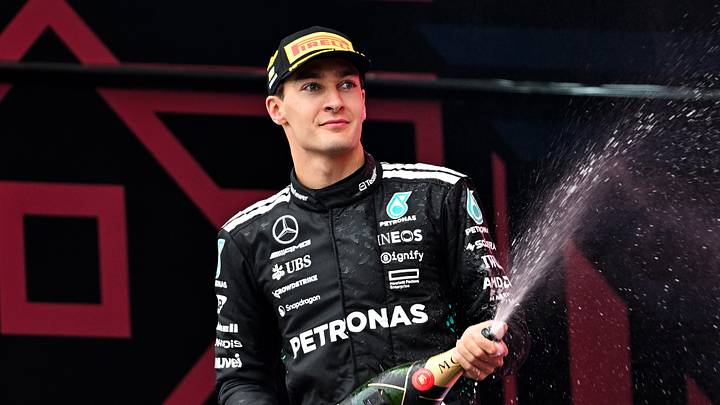
The FIA’s oversight remains pivotal, particularly after the Malaysia review. Any findings can shape future thresholds on usage, influencing how teams schedule fresh hardware.
Overtaking opportunities at Marina Bay are limited, making track position and safety-car timing decisive.
Grid penalties also affect constructors’ reliability battles. A forced reset can skew points trends over several rounds, compounding costs if further elements are required later in the campaign.
Attention now shifts to Russell’s response at the Singapore Grand Prix. Damage limitation, clean execution, and opportunism will define Mercedes’ weekend and set the tone for the remaining 2026 races.
Mercedes is likely to prioritise a long first stint to create offset and exploit any safety-car windows.
Visual Summary
Russell to Start LAST on Grid
⚙️
7
New Parts
7
New Parts
⬇️
Grid Penalty
Starts P20
Grid Penalty
Starts P20
Singapore’s toughest street circuit awaits.
Can Russell overtake the odds?
Night racing, heat, and 19 cars to chase.
Can Russell overtake the odds?
Night racing, heat, and 19 cars to chase.
Mercedes Under Pressure
Reliability vs. Speed. Every point could decide the championship.
Reliability vs. Speed. Every point could decide the championship.

Daniel Miller reports on Formula 1 Grand Prix weekends with race-day analysis, team-radio highlights, and point-standings updates. He explains power-unit upgrades, aerodynamic developments, and driver rivalries in straightforward, SEO-friendly language for a global F1 audience.




