

https://shop.fervogear.com/cart


NASCAR Opens Brake Rotor and Pad Changes After Phoenix Qualifying

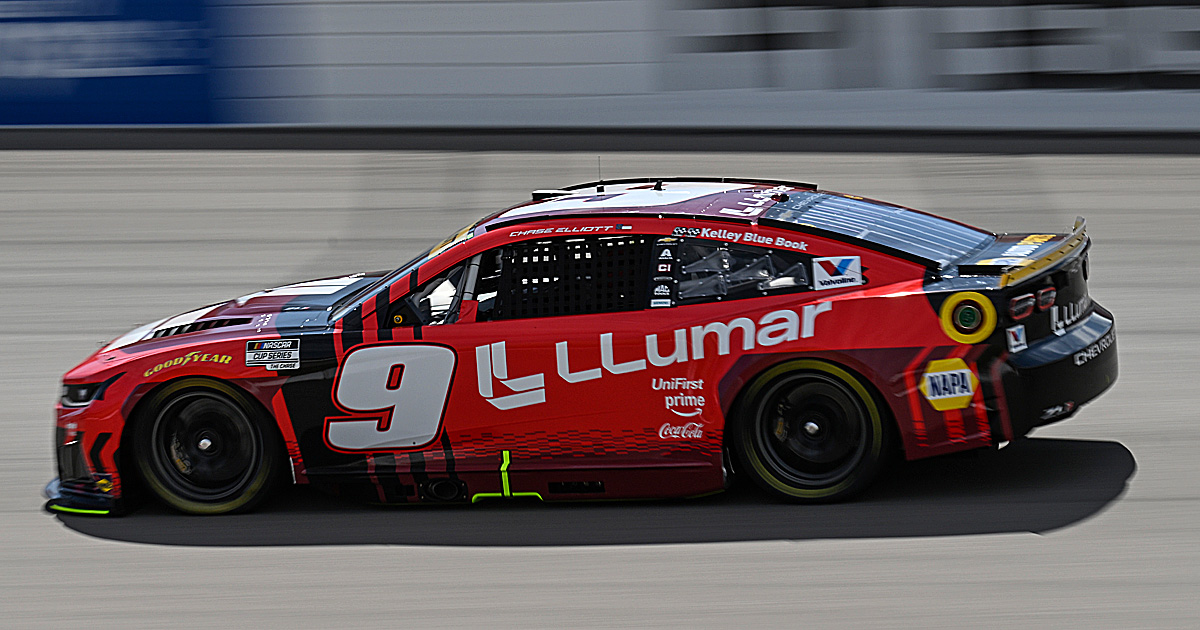
Highlights
- NASCAR permits front brake rotor and pad changes after qualifying.
- Rule responds to brake problems seen at Gateway and other tracks.
- Rear rotors remain inspected on Sunday; issues handled case-by-case.
- New policy debuts this weekend at Phoenix Raceway.
- Brad Moran cited Phoenix’s high braking pressures prompting rule change.
NASCAR introduces a targeted rule change for this weekend, allowing teams to replace front brake rotors and pads after qualifying at Phoenix Raceway.
The move responds to recent failures, notably at Gateway, and aims to improve safety and consistency under heavy braking loads.

Teams receive the update on Wednesday and can complete changes after Saturday’s practice and qualifying. Only front rotors and pads are eligible under this provision.
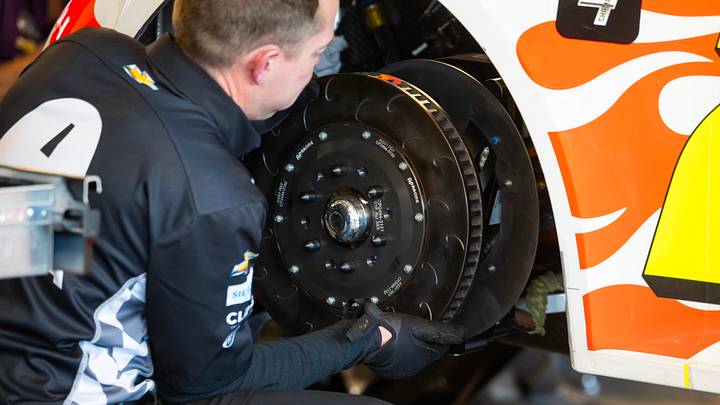
Rear rotors remain subject to routine Sunday inspection. Any concerns discovered later are addressed case-by-case, preserving NASCAR’s discretion and ensuring safety oversight.
NASCAR rejects “like-for-like” pad swaps due to policing challenges. Many pad designs look similar, making enforcement unreliable. A clearer, defined window for front brake replacements removes ambiguity.
Brad Moran cites Phoenix’s high braking pressures, amplified by lower downforce and increased horsepower. Combined, those factors elevate thermal loads and risk profiles across the field.
“Like-for-like” pad swaps are rejected because visual similarities make enforcement impractical.
The policy offers an option, not a mandate. Teams will decide based on setup philosophies, mileage on components, and confidence in thermal management across a long green-flag run.
Rotor changes have been legal since 2022 in case of damage. The new rule lets teams act proactively after qualifying, without first demonstrating failure or visible defects.
The change follows sustained feedback from crew chiefs after Nashville, Iowa, New Hampshire, and Gateway. The common theme is predictability and durability under sustained braking intensity.
Operationally, teams gain flexibility to reset front hardware on Saturday evening. That could reduce failures, limit DNFs, and stabilise race strategies under Phoenix’s demanding braking profile.
Brad Moran: Phoenix’s high braking pressures, with lower downforce and more power, drive the policy shift.
Thermal management remains central. Phoenix’s long braking zones test pad glazing, rotor cracking resistance, and seal integrity. Proactive changes lower risk without sacrificing technical scrutiny.
Context matters at Phoenix Raceway, where late-race restarts magnify braking demands. Learning applies more broadly, echoing recent discussions about brake issues in other series.
Fans and grassroots drivers can also prepare for heavy-braking circuits with practical checklists and gear guidance through track day preparation gear.
Teams can replace front rotors and pads after qualifying; rear rotors stay under standard Sunday inspection.
NASCAR will monitor outcomes this weekend and refine if necessary. The expectation is fewer brake-related incidents and a cleaner competitive picture across long runs.
Visual Summary
Phoenix: NASCAR Lets Teams Swap Front Brakes After Qualifying
New rule aims to end mid-race brake failures and boost safety on NASCAR’s toughest braking track.
WHY NOW?
After multiple brake failures rocked recent races (Gateway • Nashville • Iowa), teams & fans raised red flags.
Cup cars at Phoenix face:
Extra Horsepower
Low Downforce
🔥 Extreme Braking
Extra Horsepower
Low Downforce
🔥 Extreme Braking
NEW OPTION
Teams can swap front brake rotors & pads after qualifying – no questions asked.
1
Qualify & Practice
2
Check front brakes
3
Replace if needed
Rear rotors: Only checked Sunday before the race (case-by-case if issues found)
“This is not a limit – just another tool for teams.”
– Brad Moran, NASCAR Cup Series Managing Director
What’s the difference?
🚫 Fewer mid-race brake failures • 🏁 More control for teams
🚫 Fewer mid-race brake failures • 🏁 More control for teams
NASCAR’s move signals priority on safety — and tighter racing at ultra-fast Phoenix.
NASCAR Listened
Safety Gets the Green Light
Safety Gets the Green Light
Watch for bold braking moves – and fewer smoky surprises – at Phoenix Raceway this weekend.

John Martinez delivers real-time NASCAR Cup Series and Truck Series news, from live race updates to pit-lane strategy analysis. A graduate of the University of Northwestern Ohio’s Motorsports Technology program, he breaks down rule changes, driver tactics, and championship points with crystal-clear reporting.




