

https://shop.fervogear.com/cart


Max Verstappen Reveals Classic Fix for F1’s Crucial Deciding Lap

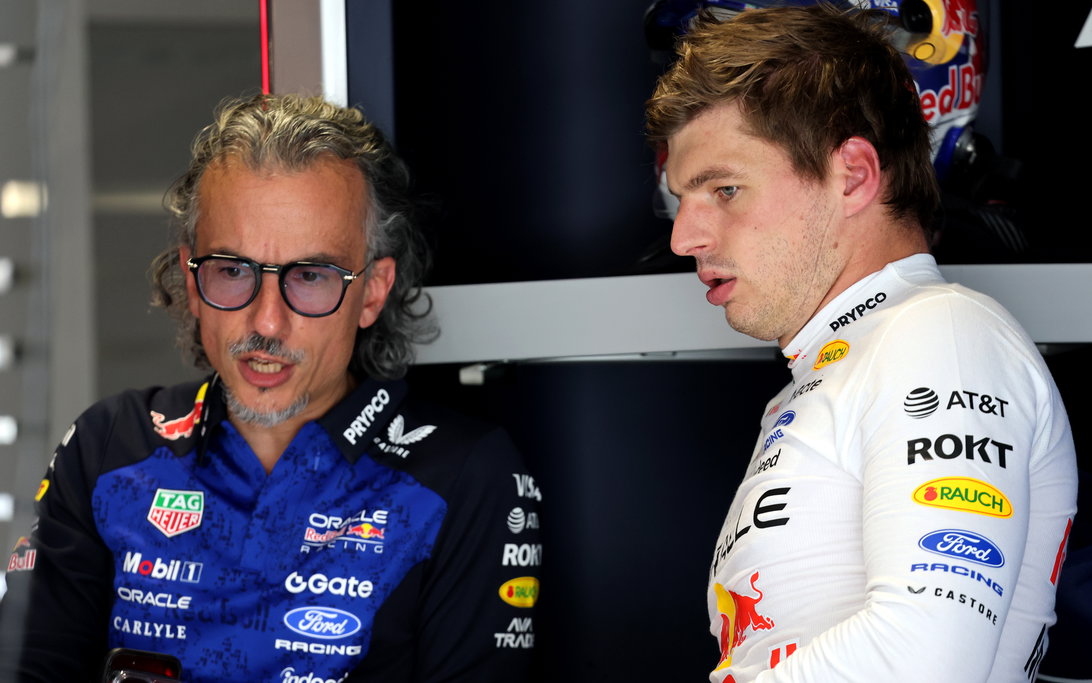
Highlights
- Max Verstappen criticizes complex energy management in F1 engines.
- Recent rules removed MGU-H and raised MGU-K power to 350 kW.
- Energy tactics now complicate race strategies and lap management.
- FIA plans 60/40 combustion-to-electric power split by 2028.
- Mid-season tweaks addressed throttle slowdowns affecting race flow.
- Verstappen advocates for simpler cars emphasizing driver skill.
Max Verstappen renews criticism of current Formula 1 power units, urging simpler cars that prioritise driver input over software-driven energy deployment.
He argues intricate battery strategies now shape lap time more than throttle and brake control, diluting flat‑out racing.

The 2026 rules remove the MGU‑H and lift MGU‑K output to 350 kW, courting manufacturers and road relevance but amplifying energy sensitivity.
Drivers micro‑manage state of charge, lift points, and occasional downshifts on straights, altering race craft and compromising instinctive decision‑making.
MGU‑H removal and a 350 kW MGU‑K shift push drivers toward energy conservation.
Verstappen cites start procedures, where software calibrations govern energy flow and can delay launches by up to five seconds if sequences misfire.
He says deployment windows determine when to attack or defend, constraining pure pace. That trade‑off surfaced even during his comeback win last time out.
The FIA and suppliers respond mid‑season, revising control settings after simulations and driver feedback flagged unexpected full‑throttle slowdowns.
“Cars should reward driver input, not software limits,” Verstappen says.
A roadmap now points to combustion dominance returning, with a planned 60/40 power split from 2028 intended to reduce deployment sensitivity.
FIA targets a 60/40 combustion–electric split for 2028 after mid‑season slowdowns.
Competitive effects vary. As seen with Red Bull’s recent gains, efficient mapping still pays, but simpler rules could compress gaps and shift emphasis to setups and tyre usage.
Calendar demands magnify the issue, with long straights and heavy braking zones exposing deployment choices during the upcoming United States Grand Prix weekend.
Verstappen’s stance underlines Formula 1’s balancing act: showcase advanced technology while safeguarding a clear, compelling sporting contest.
Visual Summary
🏎️
SKILL
Pure Racing
🔋
MGU
Energy Modes
Tug-of-War
“Let us race, not just manage batteries.”
2022
🔥
MGU-H Era
🔥
MGU-H Era
2026
2028
🏁
60/40 Engine
🏁
60/40 Engine
Verstappen champions driver skill over software complexity.
F1’s future: Tech or Talent?
F1’s future: Tech or Talent?

Daniel Miller reports on Formula 1 Grand Prix weekends with race-day analysis, team-radio highlights, and point-standings updates. He explains power-unit upgrades, aerodynamic developments, and driver rivalries in straightforward, SEO-friendly language for a global F1 audience.