
https://shop.fervogear.com/cart


Isack Hadjar Gets Surprising Strategy to Shrink Max Verstappen Gap

Highlights
- Isack Hadjar struggled in Friday’s US Grand Prix practice sessions.
- Hadjar was 1.654 and 0.931 seconds slower than Verstappen.
- Juan Pablo Montoya suggested two strategies for Hadjar to improve.
- Red Bull car setup primarily favors Max Verstappen’s driving style.
- Hadjar called the car “undriveable” and struggled in high-speed corners.
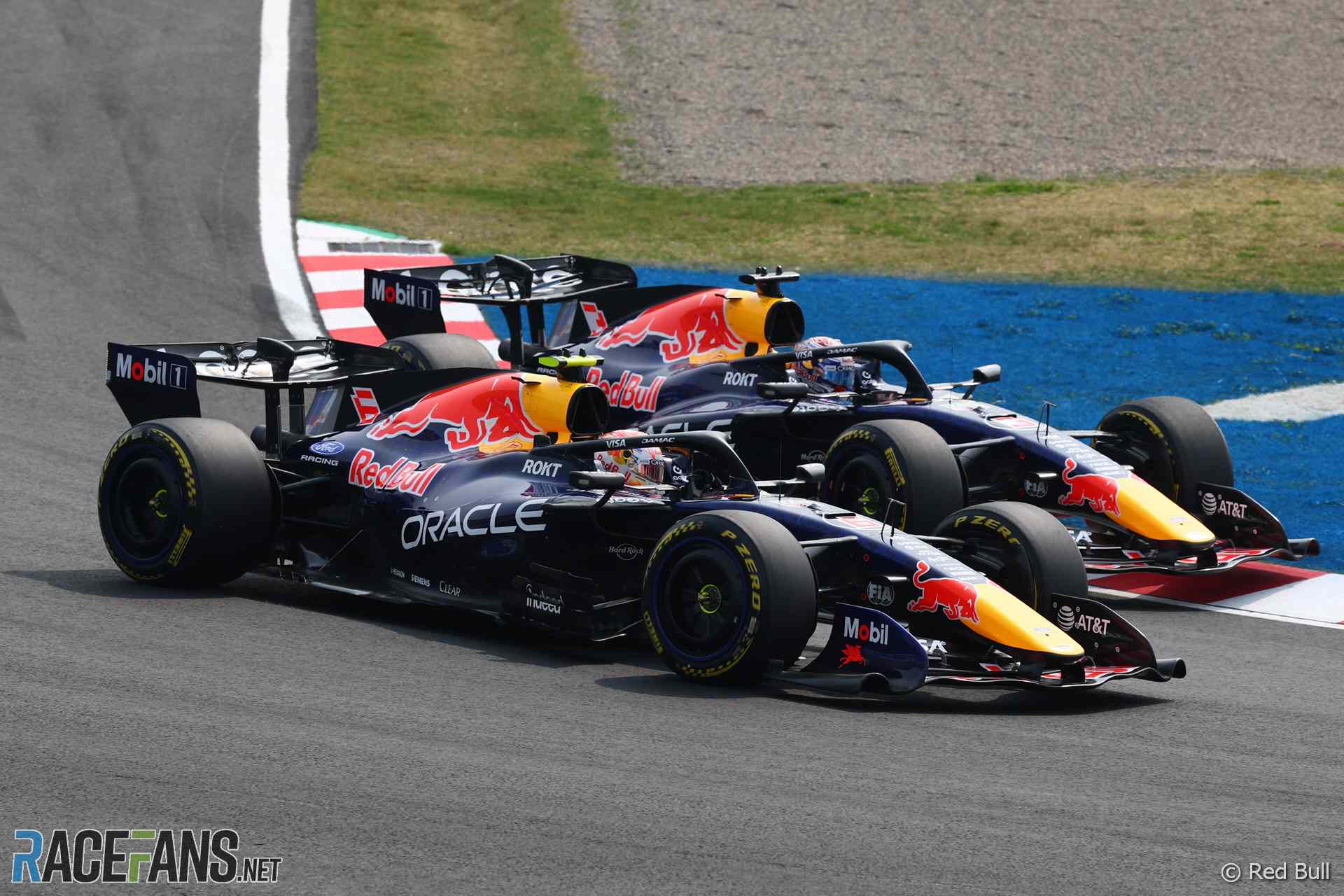
Isack Hadjar endures a bruising Friday at the United States Grand Prix in Austin, trailing team‑mate Max Verstappen by 1.654s in FP1 and 0.931s in FP2.
Practice deficits to Verstappen: 1.654s in FP1 and 0.931s in FP2.
Hadjar labels the day a disaster, describing the RB20 as undriveable and saying he was completely killed in high‑speed corners around COTA’s fast Esses.

The deficit lands at a venue where Verstappen usually dominates. Since 2019 he has rarely been beaten here, with Charles Leclerc the notable 2024 exception.
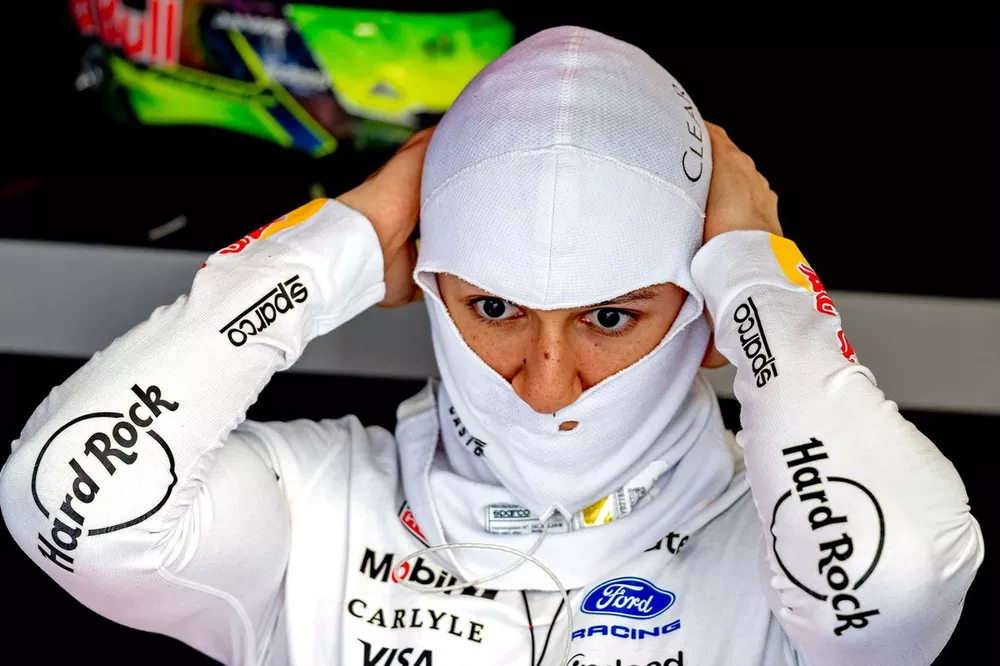
Juan Pablo Montoya outlines two routes. Either Hadjar adapts to Verstappen’s preferred baseline, or he pursues a radical, risk‑heavy direction to unlock confidence and rotation.
The first route looks more feasible. Red Bull’s development cycles reference Verstappen’s feedback, shaping balance targets and the car’s setup that best suit his inputs and tyre management.
Hadjar: “undriveable” and “completely killed in the high‑speed corners.”
Hadjar’s complaints point to an aero‑platform issue. If the rear platform is unstable through the Esses, he must carry extra margin, compounding time loss and overheating the fronts.
Austin’s sequence rewards a planted rear and responsive front. Finding that window demands coordinated mechanical changes and wing level, plus rake and ride‑height tweaks that preserve stability.
Montoya’s alternative demands conviction. A bold divergence might reveal a better balance for Hadjar, but the wrong step could widen the gap as grip evolves.
Montoya: adapt to Verstappen’s baseline or bet on a radical setup shift.
The team’s priorities remain pragmatic. Verstappen’s title push incentivizes minimal disruption, leaving Hadjar to extract consistency from the baseline through incremental, data‑led changes.
Signs of progress would be clearer in sector one. Higher minimum speed through Turns 3‑6 and calmer rear temperatures would indicate a more trustworthy platform for qualifying.
This intra‑team dynamic shapes the weekend’s narrative, echoing themes in the US GP build‑up and deeper looks at Hadjar’s duels with Verstappen.
Whether Hadjar adapts or chooses a left‑field path will define his ceiling this weekend. Either way, reliable high‑speed performance remains the non‑negotiable for closing the gap.
Visual Summary
🔵
Verstappen
2nd | P2
🔴
Hadjar
9th | +0.931s
D I S A S T E R
➡️
Montoya: Bridge the gap to Verstappen. Two risky paths. Which to trust?
⬅️
Montoya: Bridge the gap to Verstappen. Two risky paths. Which to trust?
⬅️
🛠️
Adapt to Max
Copy Verstappen’s setup.
Risk: Lose your own style.
Risk: Lose your own style.
🎲
Radical Change
Try something wild.
Risk: Fail big or win big.
Risk: Fail big or win big.
In Red Bull’s world, one setup fits the king.
Can Hadjar leap the chasm?
Can Hadjar leap the chasm?

Daniel Miller reports on Formula 1 Grand Prix weekends with race-day analysis, team-radio highlights, and point-standings updates. He explains power-unit upgrades, aerodynamic developments, and driver rivalries in straightforward, SEO-friendly language for a global F1 audience.