

https://shop.fervogear.com/cart

How to Compare Racing Suit Fit, Mobility, and Protection
Learn practical tips to compare racing suits based on fit, mobility, and protection for a safer and more comfortable driving experience.

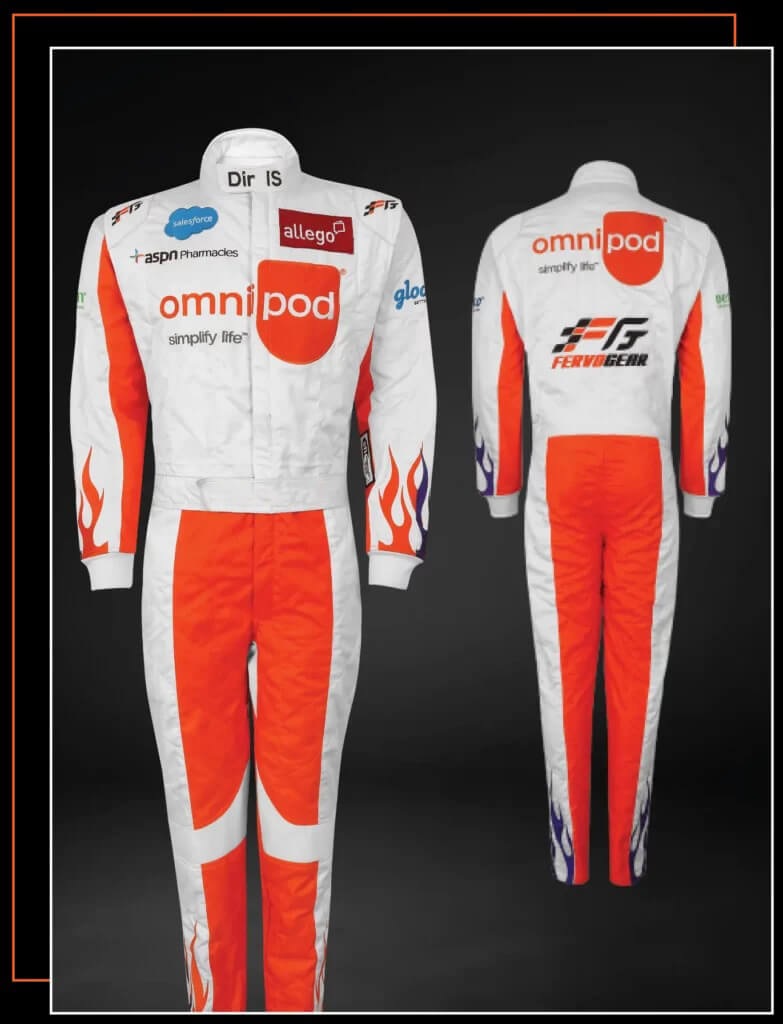
Choosing the right racing suit is a crucial part of any racer’s gear selection. While protection is paramount, factors such as fit and mobility can greatly affect performance and comfort on the track. In this article, we explore practical ways to compare racing suits focusing on key criteria like fit, mobility, and protection to help drivers and teams make informed decisions.
Understanding the Importance of Fit
A well-fitting racing suit serves not only to enhance comfort but also ensures the gear performs as intended under demanding conditions.

Why Fit Matters
- Comfort: A suit that fits appropriately reduces distractions caused by pinching, bunching, or excess fabric.
- Safety: Loose fabric can interfere with pedal control or get caught in equipment, potentially causing accidents.
- Effectiveness of Protection: Protective materials work best when properly positioned; an ill-fitting suit may leave critical areas exposed.
Checklist for Assessing Fit
- Try the suit standing and sitting in your driving position.
- Check for unrestricted movement in shoulders, arms, knees, and hips.
- Ensure the sleeves and legs are the appropriate length—not too long or short.
- Verify that the suit closes snugly but does not constrict breathing or movement.
- Consider layering if you typically wear additional clothing beneath the suit.
Evaluating Mobility in a Racing Suit
Racing demands quick reflexes and fluid motion. Mobility in a suit can influence reaction times and endurance during long sessions.
Key Mobility Features to Look For
- Stretch panels: Integrated stretch zones around joints aid flexibility.
- Lightweight materials: Lighter suits reduce fatigue and heat buildup.
- Ergonomic tailoring: Contoured cuts that follow body movement enhance ease of motion.
Testing Suit Mobility
- Simulate driving positions: Sit, lean forward, and reach for controls to feel suit response.
- Perform stretching exercises to check for any restricted spots.
- Wear gloves and shoes you typically use to evaluate overall compatibility.
Assessing Protection Offered by Racing Suits
The foremost role of any racing suit is to protect drivers from fire, heat, and abrasions. Understanding protection features helps you choose a suit suited to your racing discipline and sanctioning body requirements.
Material Construction
Fabrics such as Nomex and other fire-resistant materials are industry standards. Multi-layer designs often enhance thermal protection, but they may affect weight and mobility.
Certifications
Many sanctioning bodies publish lists of approved suit certifications, including standards like FIA 8856-2000 or SFI 3.2A/5. It is essential to consult the current rulebook of your racing organization to ensure compliance.
Additional Protective Features
- Padded zones for abrasion resistance.
- Reinforced stitching in high-stress areas.
- Fire-retardant zippers and closures.
Checklist for Protection Evaluation
- Confirm the suit meets current certification standards for your racing series.
- Review layers and materials used for thermal resistance.
- Inspect quality and placement of protective reinforcements.
- Consider suits designed with breathable layers that maintain protection without overheating.
Balancing Fit, Mobility, and Protection
While it may be tempting to prioritize one factor over another, the best racing suits achieve a balance tailored to the driver’s needs.
- For professional racers: Certification and protection are critical, but high mobility and fit are still necessary to maintain competitive performance.
- For hobbyists or endurance racers: Comfort and mobility could be higher priorities without compromising approved protection standards.
Practical Tips When Selecting a Racing Suit
- Visit authorized dealers or manufacturers like FervoGear to physically try suits whenever possible.
- Discuss with experienced racers or teams about their preferences and experiences.
- Consider how the suit fits with other gear such as gloves, helmets, and shoes to ensure an integrated setup.
- Keep in mind environmental conditions; breathable suits may be preferred in hot climates.
Conclusion
Choosing the right racing suit requires careful evaluation of fit, mobility, and protection. Testing suits in realistic conditions, verifying compliance with current safety standards, and balancing personal comfort with safety demands are essential steps. By following these guidelines, racers and teams can select gear that enhances performance while offering the protection necessary for safe competition.
For more insights and to explore racing gear options, visit FervoGear’s blog and authorized retailers.