https://shop.fervogear.com/cart

Why Mobility Testing Matters After a Racing Suit Fitting
Mobility testing after a racing suit fitting ensures comfort, proper fit, and performance for drivers on the track. Here’s why it’s essential.

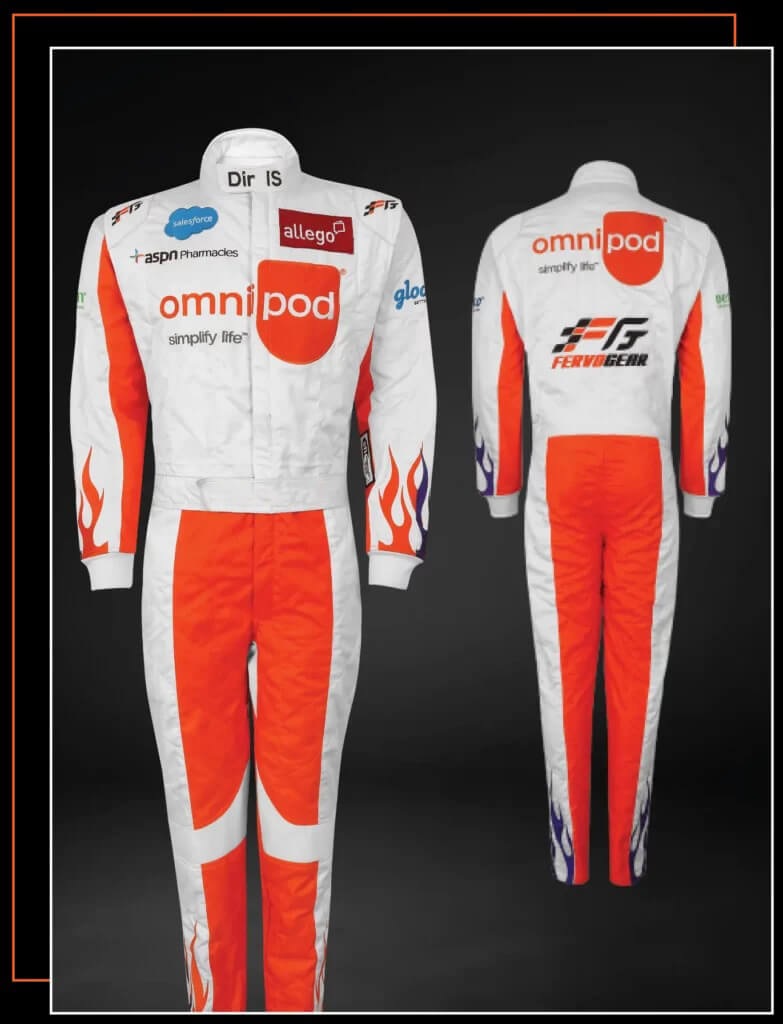
Getting fitted for a racing suit is a significant milestone for any racing driver or team, marking a crucial step toward optimal comfort and protection on the track. However, the process does not end once the suit fits well in a static measuring session. Mobility testing after a racing suit fitting plays an essential role in verifying that the suit supports full range of motion and does not hinder driving performance.
What Is Mobility Testing After a Racing Suit Fitting?
Mobility testing involves assessing how a racing suit allows a driver to move through typical driving positions and actions. These tests ensure that the suit fits well while enabling necessary flexibility and freedom of movement. While the initial fitting focuses on measurements and appearance, mobility testing goes further by simulating real-world motions drivers will use.

Common aspects evaluated during mobility testing include:
- Range of motion in the arms, shoulders, and legs
- Ease of bending, twisting, and reaching
- Comfort while seated in a racing position
- Checking for tight spots or restrictions
- Assessing if suit materials or seams impede movement
Why Is Mobility Testing Important?
Ensures Driver Comfort Over Long Stints
Racing sessions can last from minutes to hours, demanding consistent focus and physical endurance. A suit that restricts movement can become uncomfortable or distracting, which may impact driver concentration and performance. Mobility testing helps identify and correct fit issues that might cause discomfort during prolonged use.
Supports Efficient In-Car Maneuvers
Driving a racecar requires quick, precise movements such as shifting gear, steering smoothly, and reacting to changing track conditions. If a suit limits arm or leg mobility, it could hinder these maneuvers or delay reaction times. Mobility testing ensures the suit accommodates these critical motions.
Reduces Risk of Fatigue and Injury
A poorly fitting, restrictive racing suit may force drivers into awkward or tense positions, leading to muscle fatigue or strain. Ensuring freedom of movement through mobility testing can help drivers maintain proper posture and reduce the likelihood of fatigue-related errors or injury.
Helps Maintain Suit Integrity and Longevity
Mobility testing can highlight stress points where the suit is tight or likely to be strained during use. Addressing these areas early in the fitting process can prevent premature wear and prolong the lifespan of the suit.
How Mobility Testing Is Conducted
Mobility testing can be done shortly after the initial suit fitting or when a new suit is first received. Professional fitters or team members may guide the driver through a series of movements designed to mimic racing conditions. Typical steps include:
- Driver simulates seated driving position in a chair that approximates their racecar cockpit
- Performs common actions such as steering wheel turns, shifting, gear changes, and looking over shoulders
- Reaches forward, sideways, and overhead to test range of motion
- Bends knees and hips as if operating pedals
- Evaluator watches and asks for driver feedback about tightness or discomfort
Adjustments may be made based on findings, including tailoring alterations or selecting a different suit model or size.
Practical Mobility Checklist Post Fitting
- Sit comfortably: Check that the suit allows relaxed seating without binding in the waist, hips, or shoulders.
- Reach fully: Extend arms forward, sideways, and overhead without feeling restriction.
- Twist torso: Ensure you can turn your upper body adequately to check mirrors and surroundings.
- Bend knees and hips: Simulate pressing pedals, verifying no tightness or pinching occurs.
- Perform race actions: Mimic shifting gears and steering smoothly.
- Walk and move: Confirm daily movement outside the car is unaffected.
Considerations and Next Steps
Though mobility testing is vital, it is important to remember that individual preferences and body types differ. What feels unrestricted to one driver may feel snug to another. Work closely with your suit fitter or racing team to communicate any issues and explore potential solutions.
Also, always verify that any racing suit complies with the current safety and homologation standards applicable to your racing series. For detailed regulations, consult the sanctioning body’s latest rulebook.
Conclusion
Mobility testing following a racing suit fitting is more than a courtesy step—it is an essential practice that verifies the suit meets the demands of both protection and performance on the track. By confirming comfort and movement freedom early, drivers and teams can avoid potential discomfort, distraction, or limitations during racing conditions. At FervoGear, we understand the balance of fit, mobility, and safety and encourage every driver to consider mobility testing as a standard part of their suit fitting process.