
https://shop.fervogear.com/cart
How to Prepare a Racing Suit Measurement Checklist
Learn how to create an accurate racing suit measurement checklist to ensure a perfect fit for safety and comfort on the track.

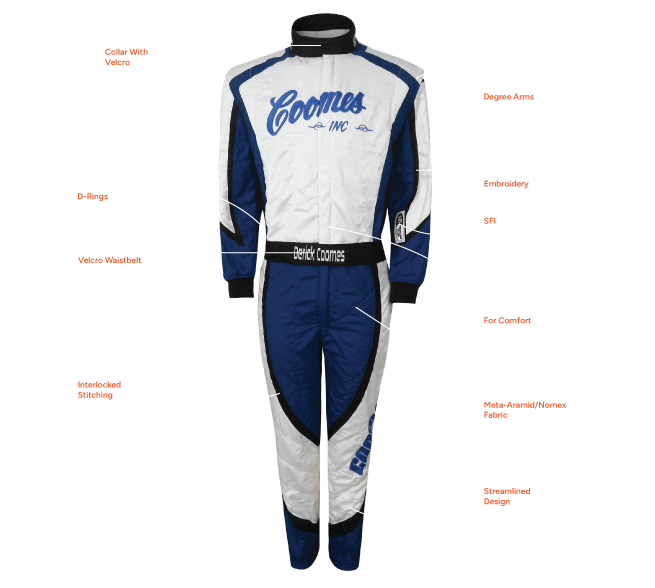
Choosing the right racing suit is essential for any driver or racing team aiming for safety, comfort, and optimal performance on the track. A perfectly fitting suit can make a significant difference, both in terms of protection and mobility. To ensure your racing suit fits correctly, preparing a detailed measurement checklist is a crucial first step. This guide will walk you through how to create an effective racing suit measurement checklist and what to consider for the best fit.
Why a Measurement Checklist Matters
A measurement checklist helps systematically capture all necessary dimensions for crafting or selecting a racing suit. Unlike off-the-rack clothing, racing suits require precision measurements that accommodate safety and comfort without compromising mobility. A precise checklist reduces errors, saves time during tailoring, and ensures that the suit adheres closely to any regulatory requirements set by your racing sanctioning body.

Essential Measurements to Include
Before you begin measuring, have a flexible tape measure, a notepad, and, if possible, an assistant to help ensure accuracy. Perform measurements while wearing light athletic clothing and stand naturally.
1. Chest
Measure around the fullest part of the chest, keeping the tape straight and snug but not tight.
2. Waist
Measure around the narrowest part of the waist, usually just above the belly button.
3. Hips
Measure around the fullest part of the hips, ensuring the tape is level all around.
4. Inseam
Measure from the crotch seam down to the bottom of the ankle while standing straight with feet slightly apart.
5. Sleeve Length
Measure from the shoulder bone to the wrist, with the arm slightly bent.
6. Shoulder Width
Measure across the back from one shoulder bone to the other.
7. Neck Circumference
Measure around the base of the neck where the collar would sit.
8. Torso Length
Measure from the nape of the neck down to the waistline at the back.
9. Thigh Circumference
Measure around the fullest part of the thigh.
10. Calf Circumference
Measure around the widest part of the calf.
Tips for Accurate Measurements
- Use consistent units: Decide whether to measure in inches or centimeters and stick to it throughout.
- Measure twice: Double-check each measurement for accuracy.
- Relaxed position: The driver should stand naturally, avoiding tense postures that might distort measurements.
- Consult experts: If tailoring a custom suit, communicate any specific fit preferences you have.
- Document clearly: Record each measurement legibly on your checklist with notes if needed for clarity.
Consider the Type of Racing and Regulations
Different types of racing (e.g., karting, open-wheel, stock car) might demand slightly different suit designs or fits. Always check the current rulebook of your racing sanctioning body to ensure your racing suit complies with their safety and material requirements. While FervoGear offers a range of suits, adherence to rules varies, so your measurement checklist should align with these considerations.
Sample Racing Suit Measurement Checklist
| Measurement | Description | Measurement (in/cm) |
|---|---|---|
| Chest | Around the fullest part of the chest | |
| Waist | At the narrowest part of the waist | |
| Hips | At the fullest part of the hips | |
| Inseam | From crotch seam to ankle | |
| Sleeve Length | From shoulder bone to wrist | |
| Shoulder Width | Across from one shoulder bone to the other | |
| Neck Circumference | At the base of the neck | |
| Torso Length | From nape of neck to waist at back | |
| Thigh Circumference | Around the fullest part of the thigh | |
| Calf Circumference | At the widest part of the calf |
Final Thoughts
Preparing a detailed racing suit measurement checklist is a vital process for drivers or teams wanting suits that fit well, perform well, and meet competition standards. Take time to measure carefully, and whenever possible, partner with experienced fitters or suppliers who understand racing-specific requirements, such as FervoGear. Remember to cross-check measurements with the latest safety rules from your governing bodies before ordering or tailoring your suit. A well-measured suit not only adds comfort but can enhance your confidence behind the wheel.