https://shop.fervogear.com/cart

How Racing Drivers Can Review Their Suit Fit After the First Event
Learn practical steps racing drivers can take to review their suit fit after the first event and ensure comfort and performance on track.

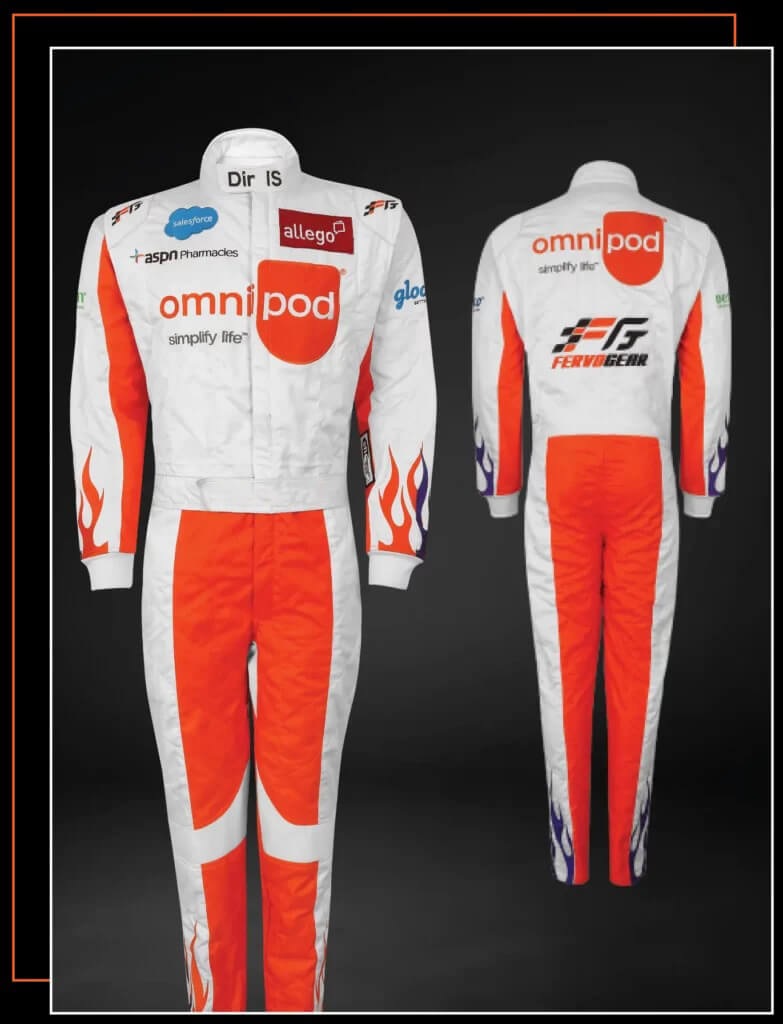
After your first racing event wearing a new suit, it’s important to assess how well it fits to help maximize comfort, mobility, and performance in future races. A proper suit fit not only influences your comfort behind the wheel but can also impact how effectively you respond during competition. This article outlines practical steps and considerations for drivers to review their race suit fit following their initial experience on track.
Why Reviewing Your Race Suit Fit Matters
Race suits are designed to balance protection with freedom of movement. They come in various cuts and materials, each impacting how the suit feels and performs during use. A suit that is too tight may restrict your range of motion or cause discomfort during long sessions, while one that’s too loose can shift or bunch, potentially interfering with your controls or distracting you from driving.

Since conditions on race day—including seating position, harness fit, and climate—can differ from initial measurements or expectations, your first event offers valuable real-world feedback on how your suit performs when it counts.
When and How to Review Your Race Suit Fit
It’s best to review your race suit fit shortly after your first event, once the suit has experienced the full scope of movement, heat, and time in the cockpit. Follow these key actions during your review:
1. Conduct a Movement and Comfort Check
- Put the suit on in a similar manner to race day, with all layers you normally wear underneath.
- Simulate a range of driving positions: reach forward as if holding the steering wheel, bend at the waist, and move your arms to mimic shifting and operating pedals.
- Note any areas that feel tight, restrictive, or overly loose, especially around the shoulders, elbows, knees, and waist.
- Check for chafing points or seams that rub uncomfortably during these movements.
2. Inspect the Suit for Fit Impact on Functionality
- Assess whether the suit allows easy access to essential functions like pockets or zippers without strain.
- Evaluate if the suit’s layering affects your seatbelt or harness securement and if it maintains proper positioning during movement.
- Consider how the suit fit feels during ingress and egress from the vehicle.
3. Review Thermal Comfort and Ventilation
- Think back on your temperature comfort during the event. Did the suit allow for adequate heat dissipation or did you feel overly warm?
- Consider if moisture-wicking or breathability features performed as expected.
4. Compare the Fit to Your Expectations
- Reflect on the initial measurements and sizing taken before the event. Did the real-world use align with those fitting guidelines?
- Review whether you preferred your suit a little looser or tighter in any specific areas for future consideration.
Practical Checklist for Drivers: Post-Event Suit Fit Review
- ✅ Try on the suit in your typical race-day setup.
- ✅ Move through driving postures and note comfort levels.
- ✅ Check for restricted movement or excess looseness.
- ✅ Look for any rubbing seams or chafing spots.
- ✅ Ensure the suit does not interfere with seat belts or harnesses.
- ✅ Assess ventilation and thermal regulation based on race conditions.
- ✅ Record any adjustments or improvements needed for next suit or modifications.
Next Steps After Reviewing Your Suit Fit
Once you have assessed your suit fit, it’s important to consider any adjustments before your next event. Some suits may be altered slightly by professional tailors experienced with racing apparel, while others may require selecting a different size or cut for optimal fit. When working with custom suppliers like FervoGear, sharing your feedback from the first event is invaluable to improving future gear tailored to your needs.
Remember, different sanctioning bodies have specific regulations regarding race suit materials and certification standards. Always verify that any suit alterations or new purchases comply with the current rulebook of your racing organization to maintain eligibility and safety compliance.
Final Thoughts
Reviewing your race suit fit after your first on-track experience is a critical step toward ensuring comfort, safety, and peak performance. Taking the time to critically assess the suit’s fit, comfort, and functionality can provide actionable insights that enhance your gear’s effectiveness in future races. Approaching this process thoughtfully will help drivers focus on racing, confident that their suit supports them every lap.