https://shop.fervogear.com/cart

FIA President Reveals Bold Plan for Radical F1 Car Redesign

Highlights
- FIA plans Formula 1 cars weighing as little as 630 kilograms
- Proposal to replace turbo hybrid engines with simpler V8 engines
- New engines to produce 760 horsepower with 10% electric boost
- Changes aim to reduce costs and improve car sound quality
- New power units will use sustainable fuels for environmental goals
- Targets set ahead of 2026 regulations to balance safety and performance
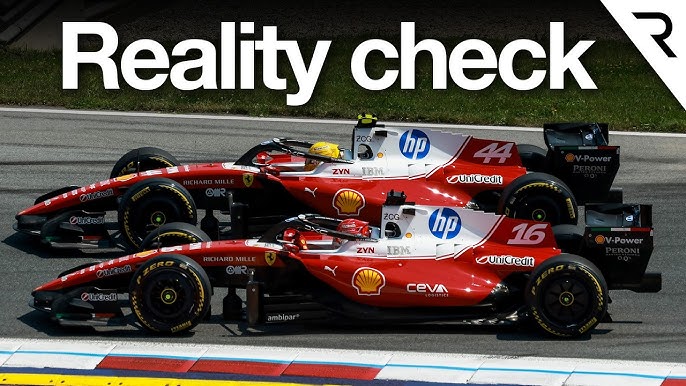
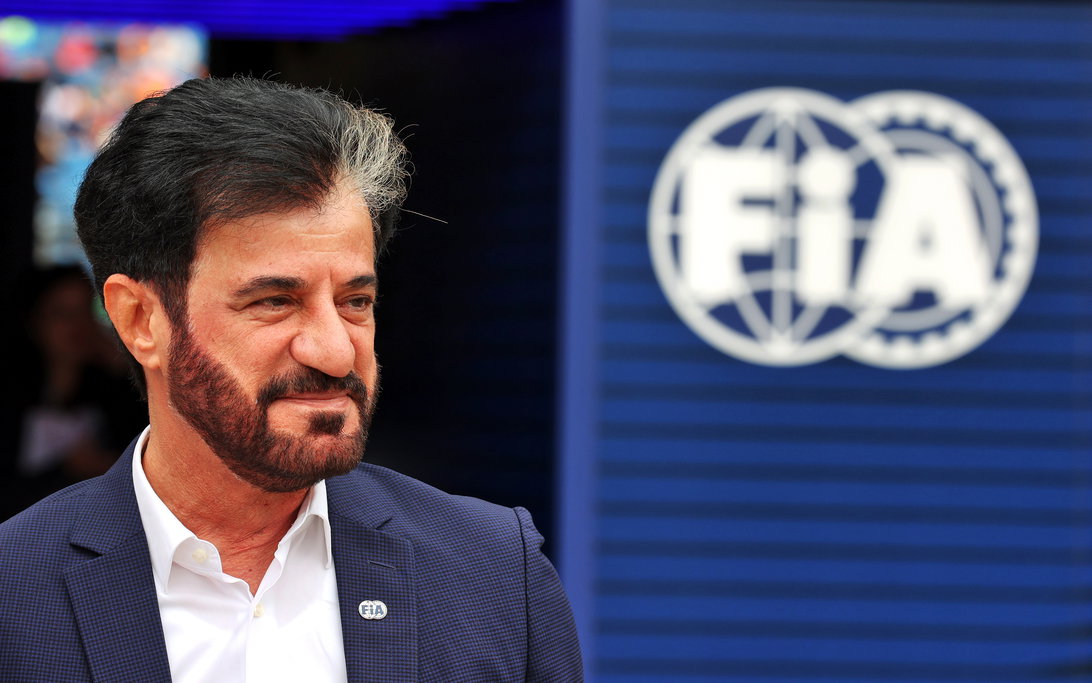
FIA president Mohammed Ben Sulayem outlines a radical reset for Formula 1, targeting lighter cars and simpler power units. The plan aims for 630 kilograms and a V8-based hybrid package.
The proposal arrives as F1 shapes its next rule cycle. It is framed to reduce complexity, rein in costs, and sharpen the spectacle ahead of the 2026 regulations.

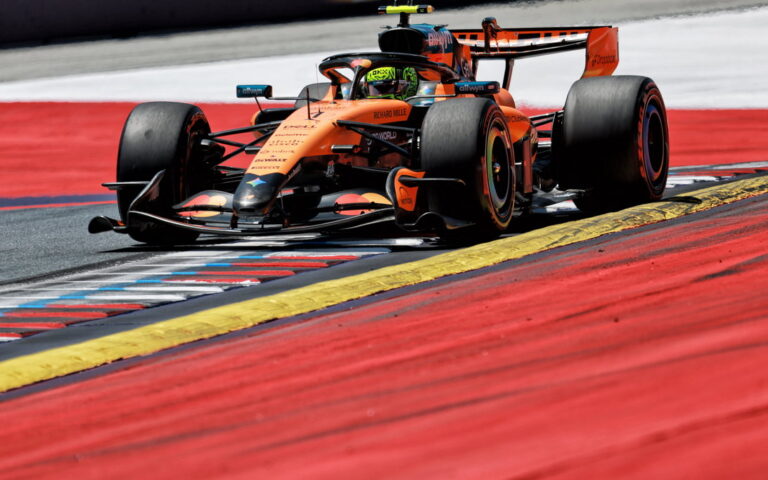
Current cars weigh roughly 768 kilograms. Ben Sulayem contends a sub-650-kilogram figure, potentially 630, is realistic with smarter packaging and streamlined systems.
Target weight: 630 kilograms, down from roughly 768 kilograms today.
The concept replaces the heavy turbo-hybrid architecture with a simpler V8 delivering about 760 horsepower, plus a 10% electric boost. It promises lower mass, fewer components, and improved sound.
Complex hybrid hardware drives weight, cooling demand, and expense. A lighter, less intricate package eases integration, potentially improving driveability and reducing operational costs across the grid.
Safety remains central. The halo and tougher crash structures add close to 50 kilograms, yet the FIA argues mass can fall without compromising standards through material and structural optimization.
Sustainability is baked in via sustainable fuels, while retaining a modest electric element. This aligns with developing FIA F1 power unit frameworks and the championship’s broader environmental commitments.
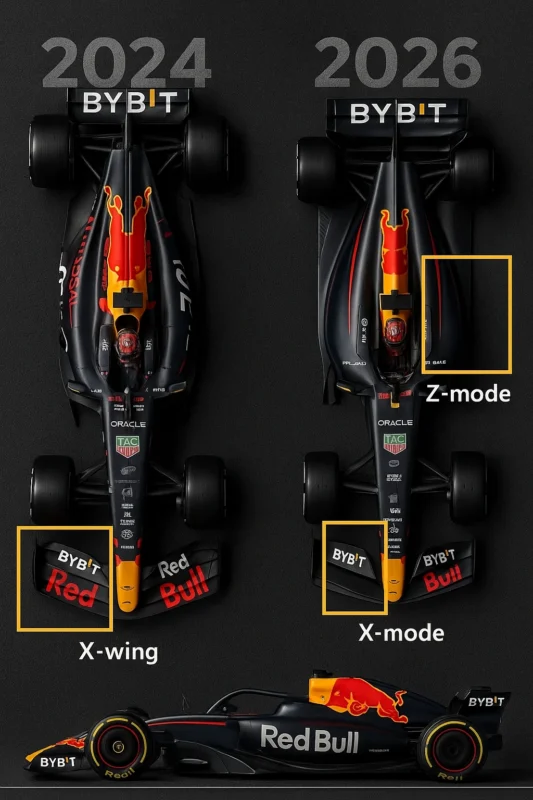
Proposed engines: approximately 760 horsepower with a 10% electric assist.
Cost distribution is a key battleground. Simpler hardware could relieve smaller teams, while manufacturers invested in hybrid tech may push back. Expect rigorous debate through governance channels.
Recent regulatory flashpoints, including scrutiny around interpretations and enforcement, underline the stakes. That backdrop mirrors tensions seen in recent Red Bull–FIA rules debates.
Timing is critical. Design decisions for 2026 must lock in soon, so clarity on power units and chassis weight targets is essential to avoid costly late pivots.
Meeting the weight goal demands holistic gains: tighter packaging, lighter wiring, reduced cooling mass, and optimized composite layups, all while preserving stiffness and crash performance.
FIA argues simpler cars can cut costs without diluting safety benchmarks.
Fan benefit sits at the heart of the push. Smaller, lighter cars with stronger acoustic character should enhance trackside appeal and could help racing quality on tighter circuits.
If adopted, the direction would redefine F1’s look and sound in the next cycle, echoing broader strategic calls seen in the Alpine FIA F1 decision saga.
Ben Sulayem projects confidence, but execution decides the outcome. The balance between performance, safety, sustainability, and cost will determine whether teams rally behind the proposal.
Visual Summary
F1’s Future:
Lighter.
Louder.
Less Complex.
Lighter.
Louder.
Less Complex.
FIA’s bold plan: Drop
138kg
from F1 cars
138kg
from F1 cars
Smaller, cheaper V8 engines ? 760hp, sustainable push, real racing sound!
⚡
10% Electric Boost
?
Sustainable Fuel
10% Electric Boost
?
Sustainable Fuel
768kg → 630kg
Target
Target
V8 + 10% Electric ⚡
760hp
760hp
Mohammed Ben Sulayem wants fans to hear the roar and see the action in smaller, faster-looking F1 cars that cut cost, weight and complexity—without losing their edge or focus on safety and sustainability.
Aggressive looks, thrilling sound, cleaner tech.
The new era is lighter, louder and greener.
The new era is lighter, louder and greener.

Daniel Miller reports on Formula 1 Grand Prix weekends with race-day analysis, team-radio highlights, and point-standings updates. He explains power-unit upgrades, aerodynamic developments, and driver rivalries in straightforward, SEO-friendly language for a global F1 audience.
Related FervoGear guide: custom race suits built for driver protection, custom fit, and sponsor-ready design.