https://shop.fervogear.com/cart


How Red Bull Boosted Its F1 Engine Power Without Upgrades

Highlights
- Red Bull’s engine deemed the most powerful on the grid.
- FIA officially recognized Red Bull engine as performance benchmark.
- Red Bull improved power via calibration, no hardware upgrades used.
- Mercedes plans upgrades for US GP; Red Bull cannot update engine.
- Stronger chassis-power unit integration boosts Red Bull’s overall competitiveness.
- RBPT expects more gains and easier engine operation in 2027.
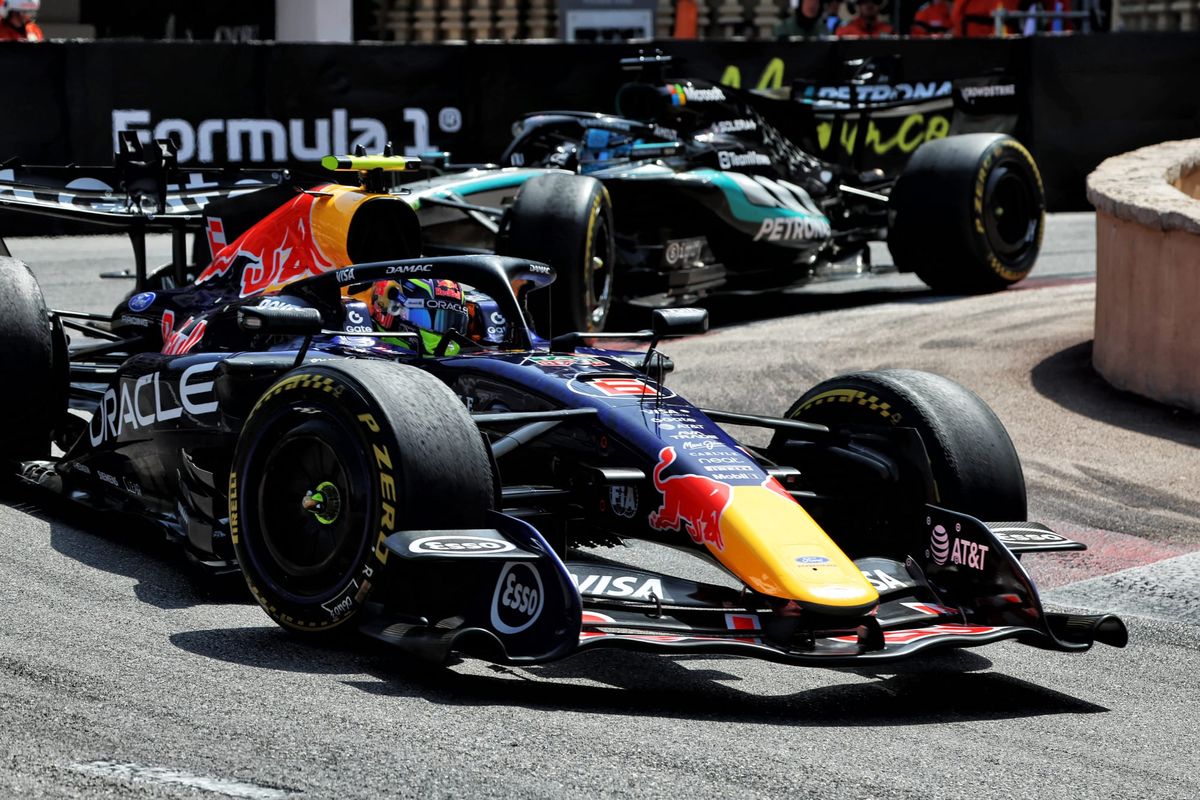
Lewis Hamilton calls Red Bull’s engine the grid’s most powerful, and the FIA has now designated it the benchmark, constraining updates as 2026’s competitive picture tightens.
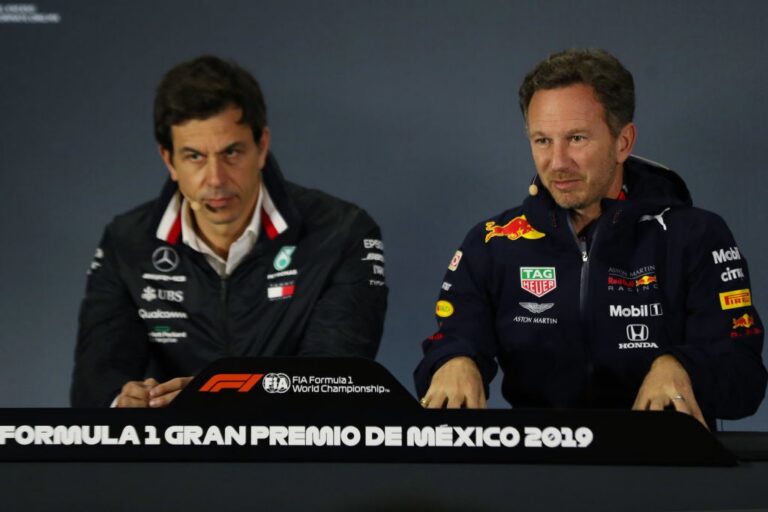
Mercedes boss Toto Wolff agrees the unit no longer lags. Telemetry and ghost laps show stronger straight-line speed underpinning recent poles and wins in Malaysia and Singapore.

An aero step in Baku stabilized the platform and aided balance, but power unit performance remains decisive in 2026, elevating integration and energy management to race-defining parameters.
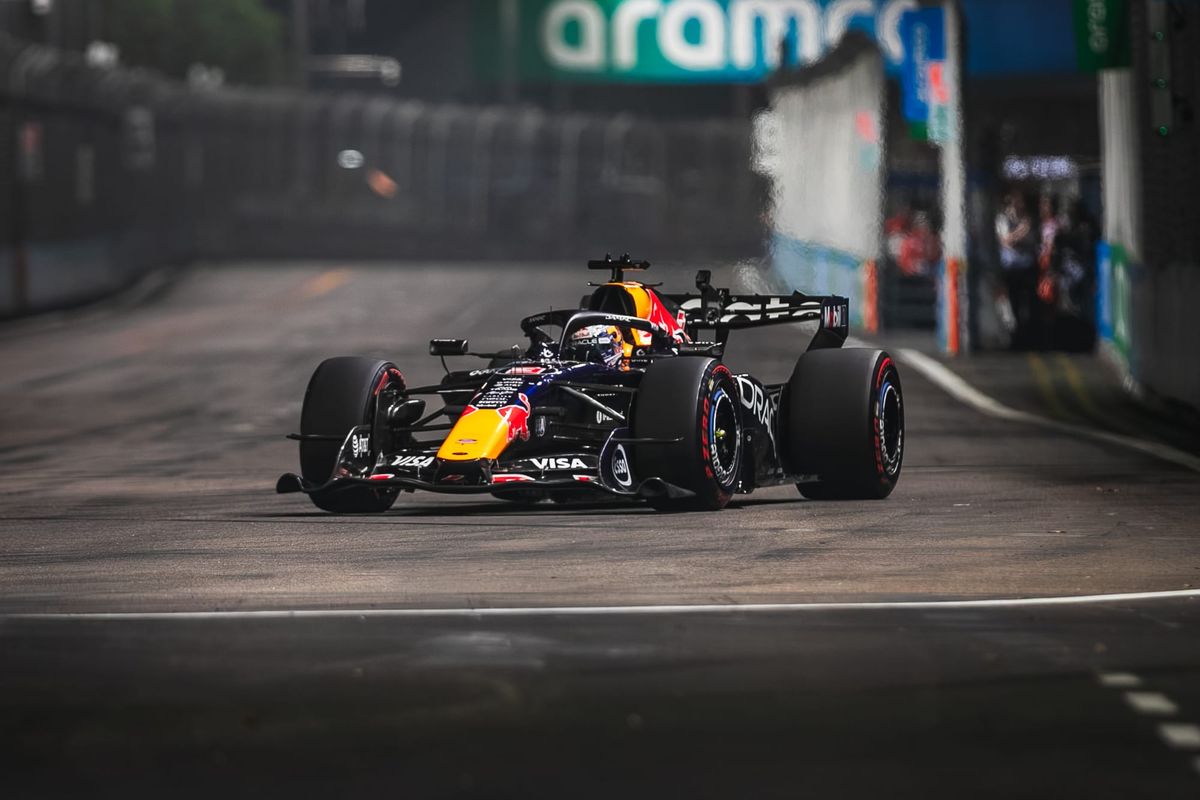
Red Bull’s gains arrive without hardware changes. Instead, calibration work has unlocked performance while the FIA’s benchmark status prevents fresh homologations under ADUO.
Engineers in Milton Keynes, partnering ExxonMobil, refined power delivery, fuel use, harvesting, and deployment to exploit the combustion system’s potential more consistently across stints and conditions.
Technical director Ben Hodgkinson describes the architecture as potent yet temperamental, increasing calibration demands. A delayed spec freeze compressed durability work and early-season mapping time.
FIA twice designated Red Bull’s power unit as the benchmark, preventing any ADUO homologation updates.
Incremental steps followed. Hodgkinson cites a major learning leap from Baku to Sepang, culminating in the first victory for this power unit configuration.
The target is near-peak operation every lap, accepting occasional under-delivery to strengthen average performance. Further context appears in the detailed Red Bull power unit overview.
ADUO rules frame development. Ferrari has used both permitted upgrades. Mercedes holds one for the United States Grand Prix. Red Bull is blocked while designated benchmark twice by the FIA.
That restriction pushes emphasis toward software, energy strategies, and drivability. It also amplifies chassis–power unit integration, a priority under the 2026 framework.
Red Bull reports tighter collaboration on harvesting, deployment, and lift-and-coast targets, with drivers central to execution. The result is a more cohesive package across qualifying and race.
Red Bull’s recent straight-line speed gains come from calibration, not hardware, underpinning its poles and wins.
Wolff acknowledges the internal combustion engine and ERS are competitive, despite no ADUO upgrades. Hamilton notes overtakes are harder against the current straight-line performance.
RBPT still sees headroom. 2027 changes to fuel flow and boost should help, alongside small hardware tweaks to tame the unit’s “diva” traits, despite occasional engine warnings.
Operational cohesion remains important amid ongoing leadership narratives, including recent Red Bull F1 boss deal discussions, though on-track development remains the decisive metric.
Mercedes is reserving its power unit upgrade for the United States Grand Prix.
The outlook tightens. Wolff expects a full-on fight next year, with 2027 likely to compress the field further if Red Bull sustains calibration gains and improves operability.
Visual Summary
⚡
Red Bull Power Unit
Red Bull Power Unit
Mercedes
Ferrari
Others
FIA: “Benchmark Engine”
🔊 Hamilton: “Hard to overtake a car with the grid’s most powerful engine.”
🚀
#1 Straight-line Speed
#1 Straight-line Speed
🔧
0 Hardware Upgrades Needed
0 Hardware Upgrades Needed
🧪
Calibrated for Peak Power
Calibrated for Peak Power
🔥
CALIBRATION BREAKTHROUGH
Maximum power extracted — even without new parts
2027: The Power Game Is On
Next year: Mercedes vs Red Bull – Head-to-Head Showdown
Next year: Mercedes vs Red Bull – Head-to-Head Showdown

Daniel Miller reports on Formula 1 Grand Prix weekends with race-day analysis, team-radio highlights, and point-standings updates. He explains power-unit upgrades, aerodynamic developments, and driver rivalries in straightforward, SEO-friendly language for a global F1 audience.